Modern Kitchens in Lebanon: Layouts & Storage
A practical guide to modern kitchens in Lebanon: layouts that work in Beirut apartments and villas, smart storage worth paying for, and the mistakes to avoid.
Quick Answer
A modern kitchen in Lebanon today is less about a single style and more about a coherent mix of layout, materials, storage, and finish — adapted to your apartment or villa, your climate, and how you actually cook.
- Layouts: islands and peninsulas dominate in villas; galley and L-shape still win in Beirut apartments
- Finishes: matte lacquer, fenix, and warm wood veneers are replacing high-gloss white
- Storage: deep drawers, pull-out larders, and tall pantry columns over traditional cupboards
- Materials must handle Lebanese humidity — quality of carcass and edge banding matters more than colour
- European hardware (Blum, Grass) is the baseline for kitchens that should last 15+ years
Choose layout and storage first, finish and colour second. A beautiful kitchen with the wrong layout is a daily frustration; a well-planned one in a simple finish ages well for decades.
What 'Modern' Means in a Lebanese Kitchen Today
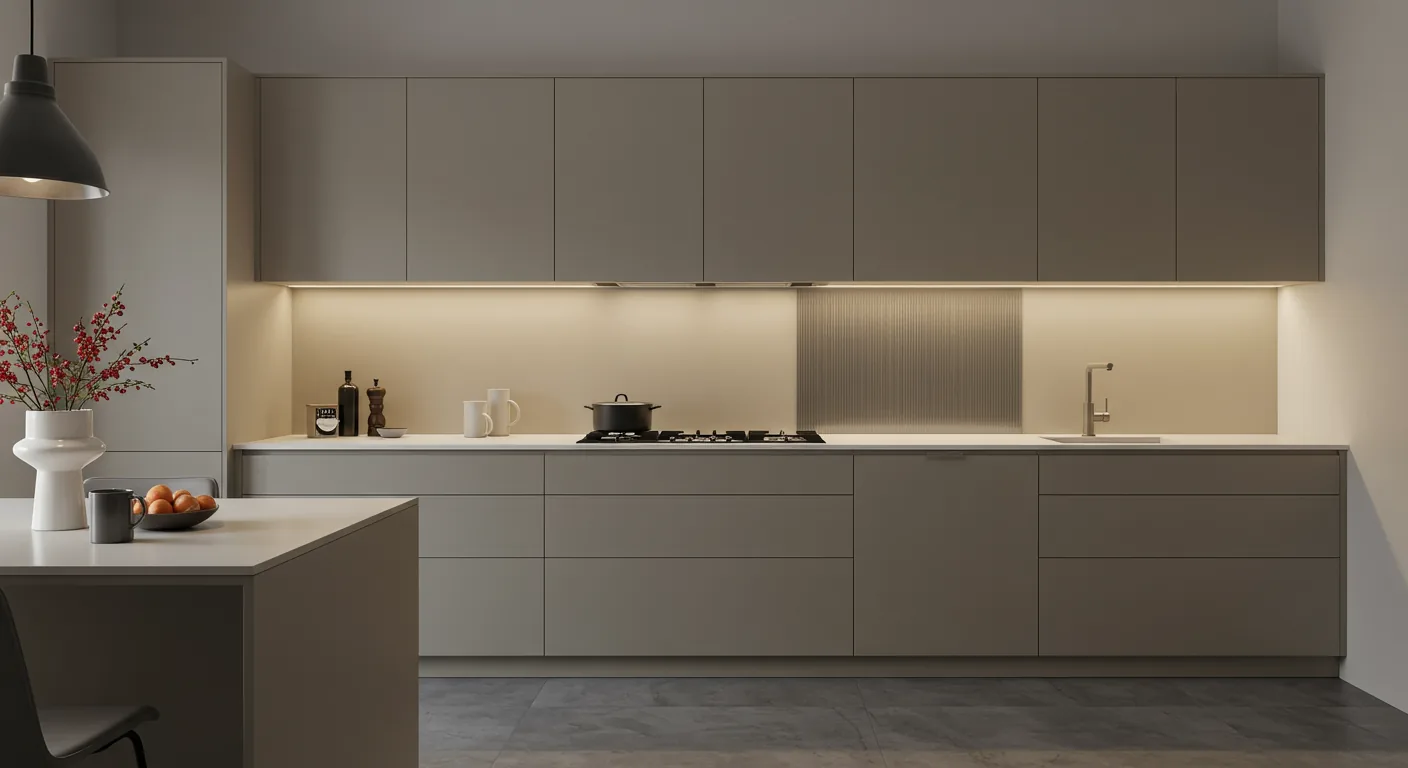
In Lebanon, the word 'modern' has shifted. Five years ago it meant flat-front white lacquer with a quartz worktop. Today it means something quieter and more grown-up — warm tones, mixed materials, integrated appliances, and storage that disappears into the cabinetry instead of dominating it.
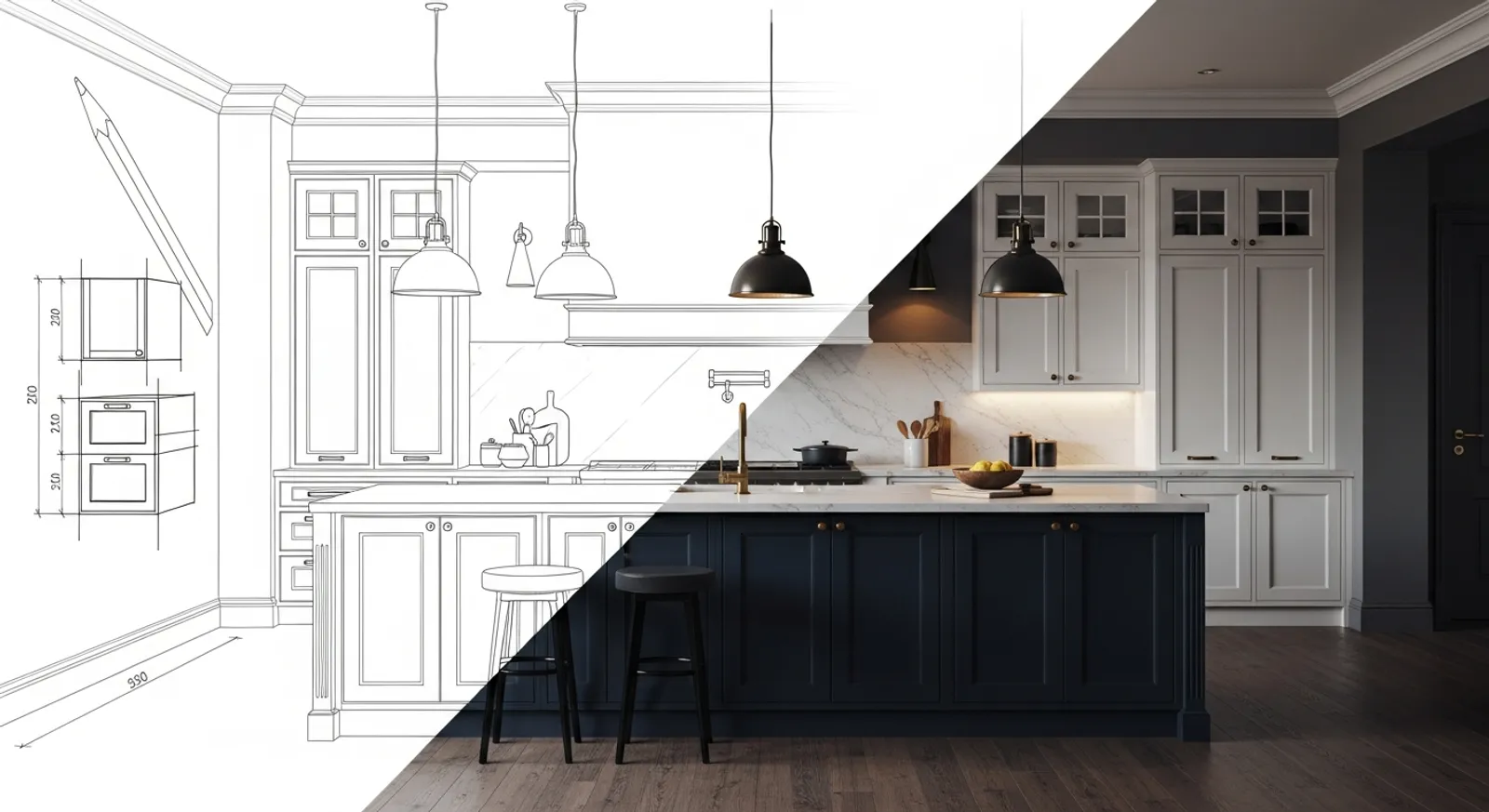
A modern kitchen in Lebanon is also a working kitchen. We still cook every day. We still host extended family. We still produce mezze, grills, and full Sunday lunches. Modern design has to honour that — not fight it. The best contemporary projects we deliver from our custom kitchens in Lebanon collection look minimal but are built around real cooking habits.
Best Layouts for Beirut Apartments and Lebanese Villas
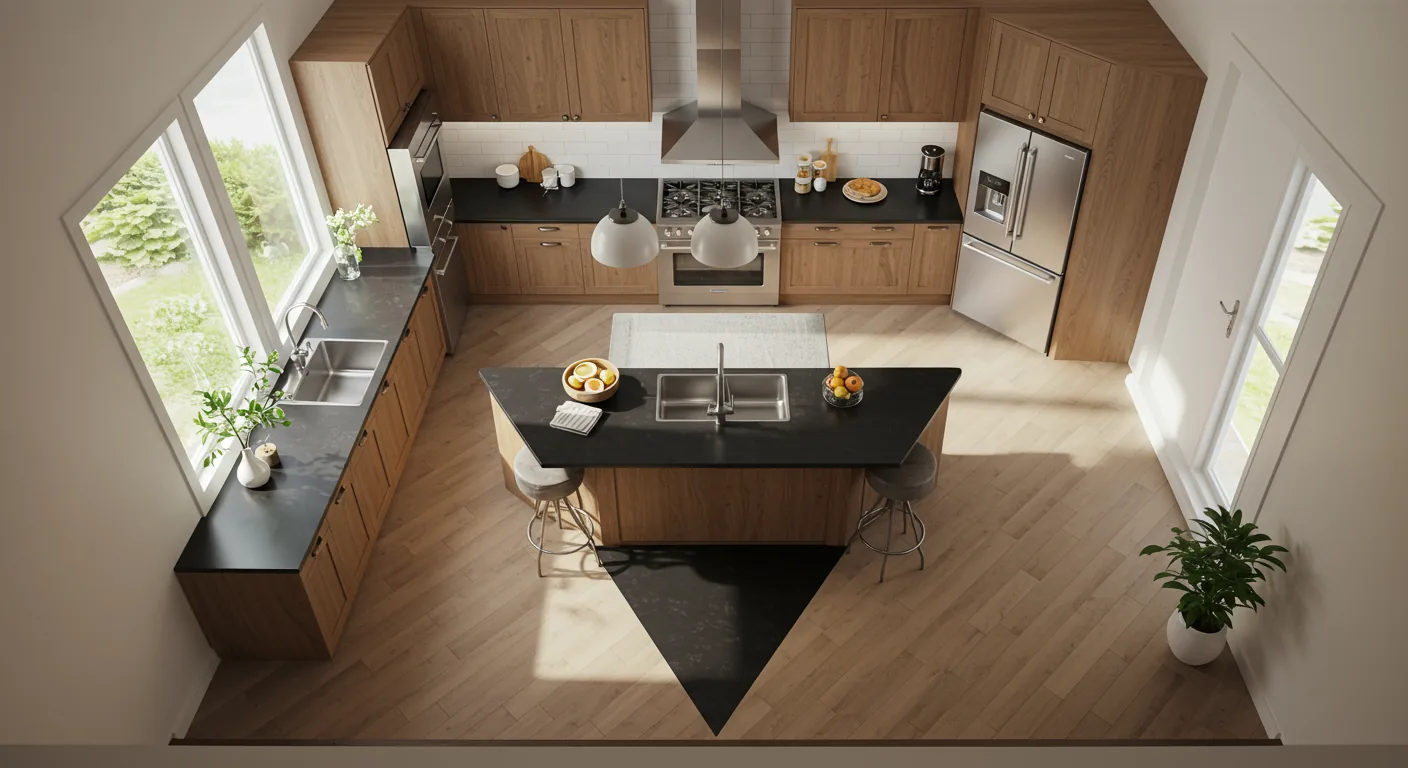
Layout is the single decision that determines how a kitchen feels for the next twenty years. Get this right and finishes are interchangeable; get it wrong and no amount of money on materials will fix it.
• Beirut apartments (90–180 m² total) — galley and L-shape layouts continue to outperform islands. Floor space is rarely wide enough to support an island with comfortable circulation around it. A long peninsula with two seats is usually the better compromise.
• Mid-size apartments and duplexes — an L-shape with a small island works when you have at least 1.1 m of clearance on every side of the island. Anything tighter and the island becomes an obstacle.
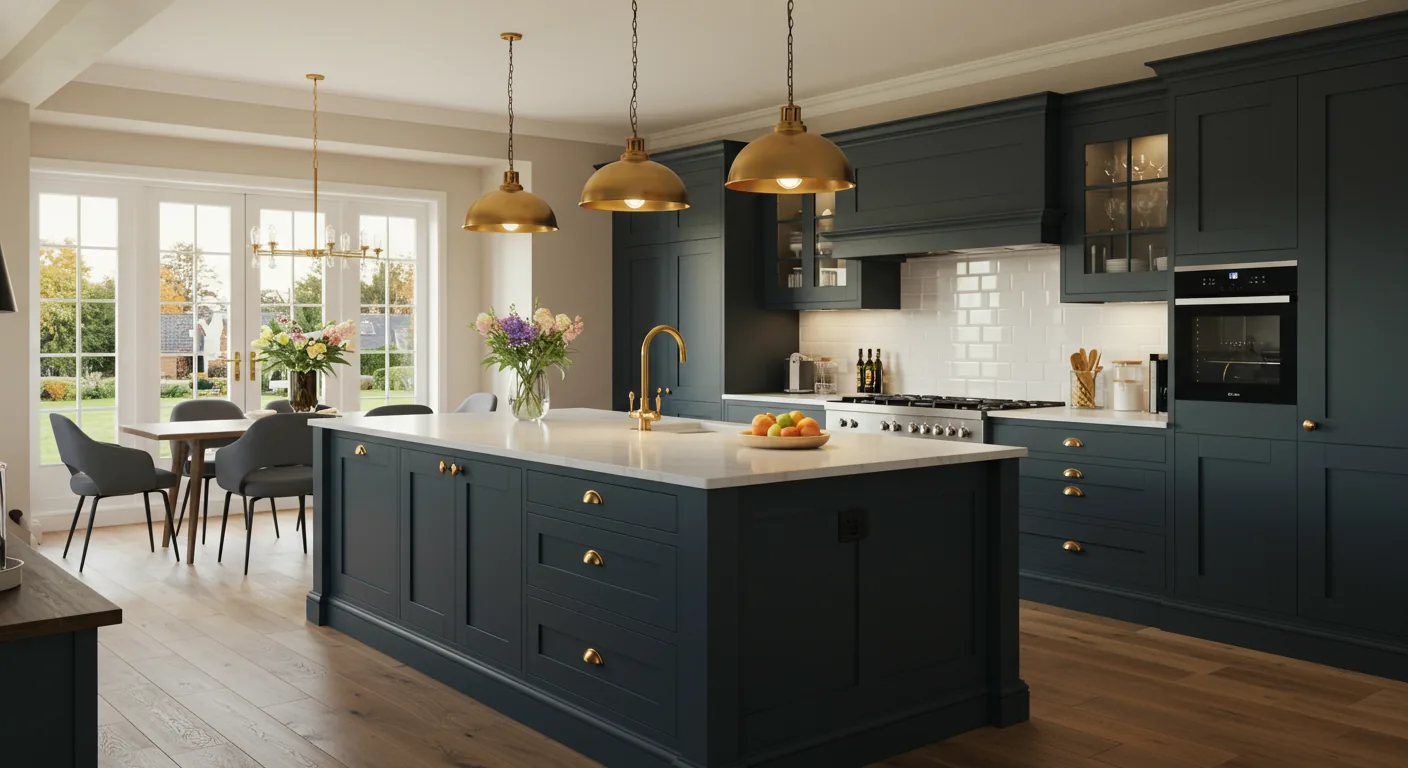
• Villas in Metn, Kesrouan, and the Chouf — full island layouts shine here. We typically design them with the cooking zone on one wall, sink and prep on the kitchen island unit, and a tall column wall housing fridge, oven, and pantry. Open-plan to a dining and living area is now standard.
• Old Beirut apartments with separate service kitchens — instead of breaking down the wall, many clients now keep the second kitchen for heavy cooking and turn the main kitchen into a clean, social space. This is one of the smartest moves we see.
Finishes and Materials That Actually Suit Our Climate
Lebanon has humid coastal summers, dry mountain winters, and sharp temperature swings. The materials that work in a London or Milan show kitchen do not always behave the same way here.
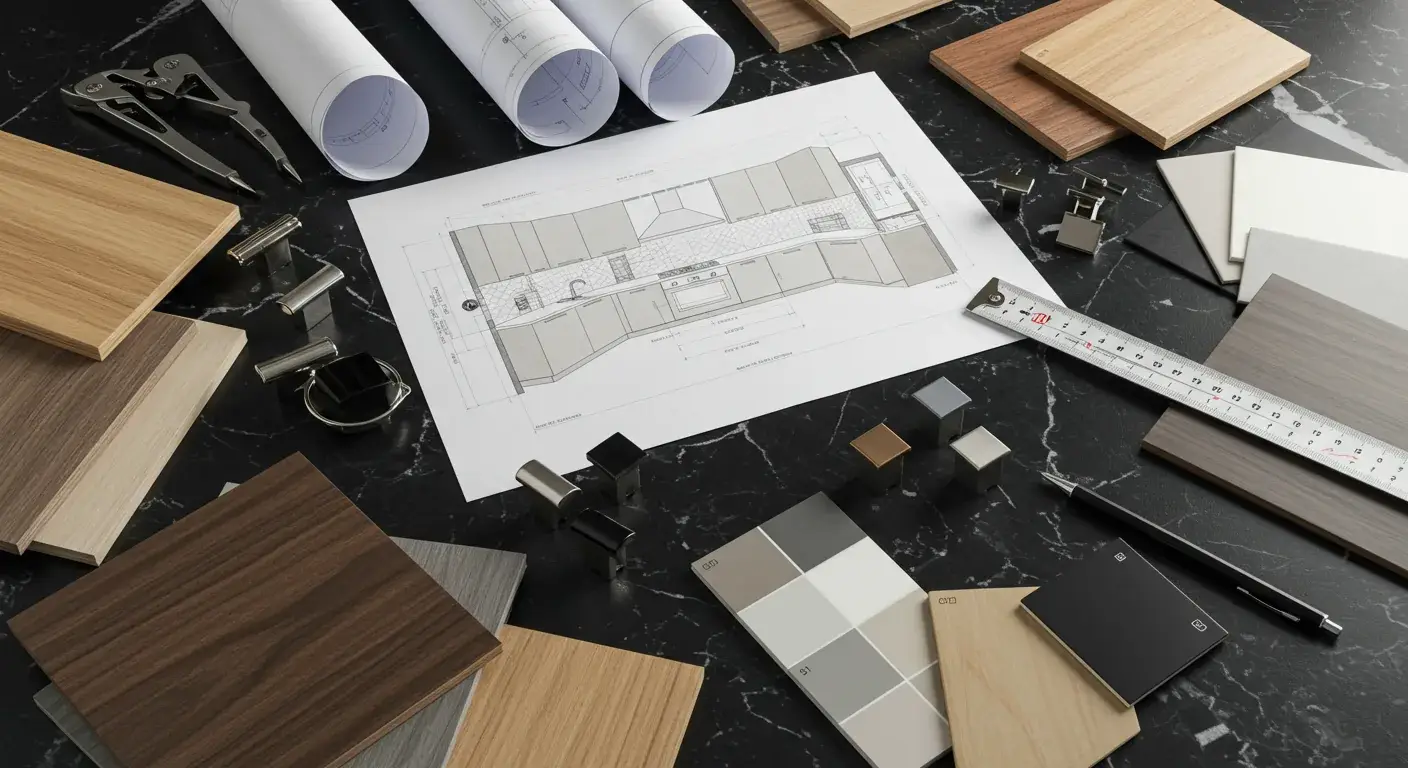
• Matte lacquer (PET or polyurethane) — currently the most requested finish. Hides fingerprints far better than gloss and ages well. Quality of the substrate matters: lacquer over a stable water-resistant E1 board carcass is fine; over a cheap raw particleboard it eventually telegraphs every imperfection.
• Fenix and similar nano-tech laminates — exceptional for islands and high-traffic surfaces. Soft to the touch, almost no fingerprints, and self-healing on light scratches.
• Wood veneer — natural oak, walnut, and smoked finishes are back. They warm a kitchen instantly and pair beautifully with stone. Must be properly sealed for Lebanese humidity.
• Stone worktops — porcelain (Dekton, Neolith) and quartz (Silestone, Caesarstone) dominate. Natural marble looks stunning but stains. We talk every client through the trade-offs honestly. For a deeper comparison, our guide to the best kitchen materials in Lebanon is the most thorough resource on this site.
Smart Storage That Earns Its Cost
Most of the budget difference between a $12,000 kitchen and a $25,000 kitchen is not in the doors — it is inside the cabinetry. Smart storage is where a modern Lebanese kitchen pays for itself in daily use.
• Deep drawers instead of shelves under the worktop — you stop bending and reaching, and you double usable capacity • Pull-out tall larders with internal drawers — better than any walk-in pantry for everyday access • Corner solutions (LeMans, magic corner) — turns dead space into the most-used zone in the kitchen • Internal drawer organisers — cutlery, spices, oils, all visible at a glance • Integrated bin systems under the sink — keeps the kitchen looking clean and the smell contained • Pocket doors over coffee stations or appliance garages — counters stay clear, appliances stay accessible
We specify Blum and Grass hardware on every KITWOOD kitchen because the quality of the runners and hinges is what determines whether storage still works perfectly in year fifteen. Every project in our custom kitchens in Lebanon portfolio is built around storage planning before aesthetics — that order matters.
Common Mistakes Lebanese Homeowners Make
After more than four decades manufacturing kitchens in Lebanon, the same mistakes come up again and again. Most are easy to avoid if caught at the design stage.
• Choosing colour before layout — the most common and most expensive mistake. Layout first, always.
• Specifying an island that is too small to be useful but too big to walk around — anything under 1.8 m long is rarely worth it.
• Trusting the contractor to manage the kitchen as part of the general construction — kitchens are precision joinery, not site carpentry. The two should be separated.
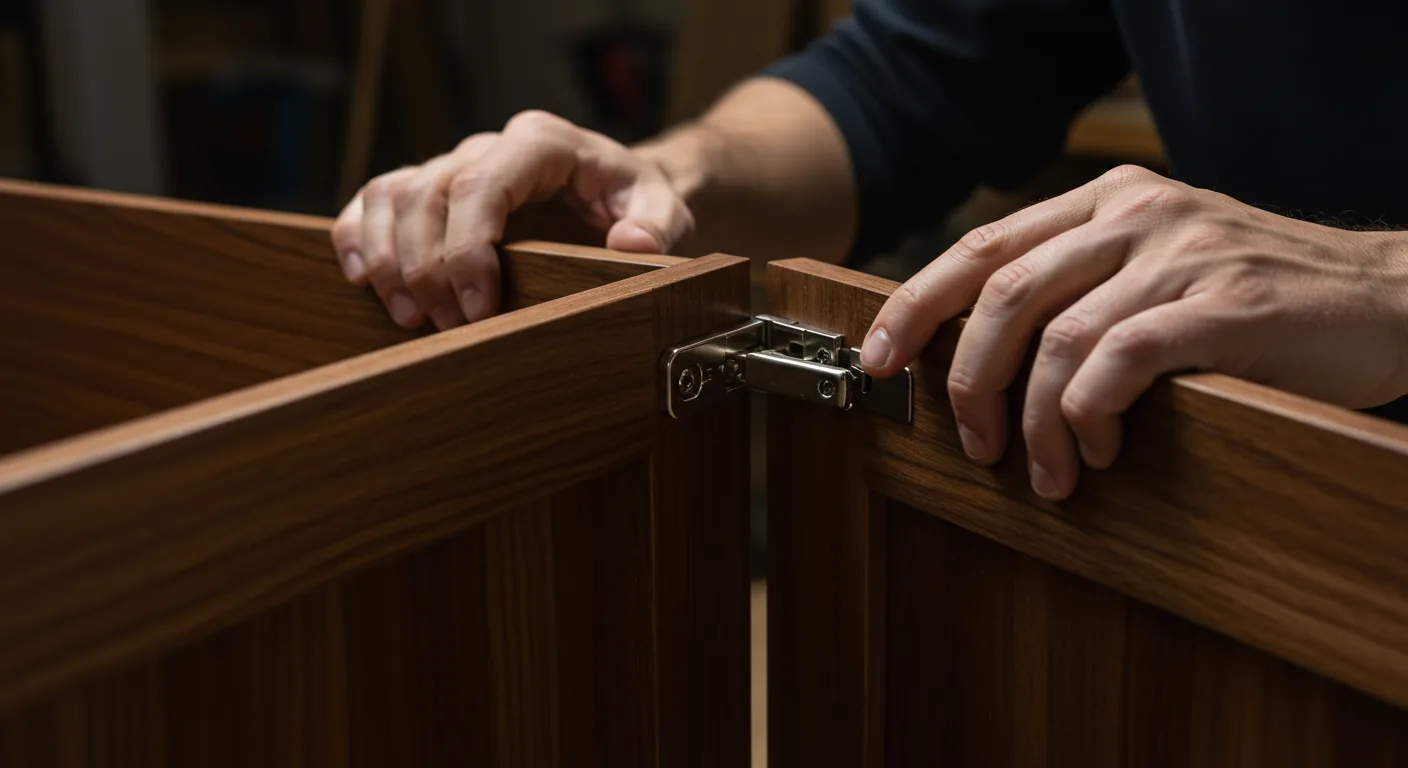
• Underspending on hinges and runners while overspending on doors — the doors are what you see, but the hardware is what you touch ten times a day.
• Forgetting the service kitchen when designing the main one — heavy cooking still needs to happen somewhere.
• Skipping the lighting plan — under-cabinet LED, in-drawer lights, and dimmable ceiling layers transform a kitchen at night.
If you would like to see how these decisions look in finished projects before committing to your own, browse our custom kitchens in Lebanon — every installation there was designed around exactly these trade-offs.
Lighting, Ventilation, and the Details That Separate Good From Great
The difference between a kitchen that looks like a magazine and one that just looks expensive is in the details that no one thinks about until they are missing.
• Lighting in three layers — ambient (ceiling), task (under-cabinet), accent (in-cabinet glass) — controlled separately • Extraction sized to the hob, not the budget — a 90 cm wok burner needs serious extraction, not a decorative downdraft • Sockets planned around appliances, not the other way around — a misplaced socket is visible forever • Skirting and toe-kick detail — recessed and shadow-gapped looks far more contemporary than a flat plinth • Handle-less or push-to-open systems — the cleanest contemporary look, but only worth it on high-quality hardware • Worktop edge profile — a 20 mm flush mitred edge reads modern; a 40 mm chunky edge reads dated
These details are where good custom kitchens in Lebanon separate from mass-market kitchens that look the same in catalogue photos. The difference shows up after a year of daily use.
Why KITWOOD Is a Strong Choice for a Modern Kitchen in Lebanon
We are the only kitchen company in Lebanon with our own factory, our own design team, and our own installation crews — all under one roof, all working from the same technical drawings. Most of what is sold as 'custom' in Lebanon is in fact assembled from imported flat-pack components. Ours is genuinely manufactured here in Lebanon, at our 6,000 m² Zouk Mosbeh facility, with full CNC precision.
We have been doing this since 1981. There are kitchens in Lebanese homes from the 1990s that we still service. That kind of continuity is rare in this market and it is a useful filter when choosing a supplier — see our overview of why we are considered the best kitchen company in Lebanon for the full picture, or read our kitchen materials guide to understand how carcass, hardware and finish choices determine how a kitchen ages.
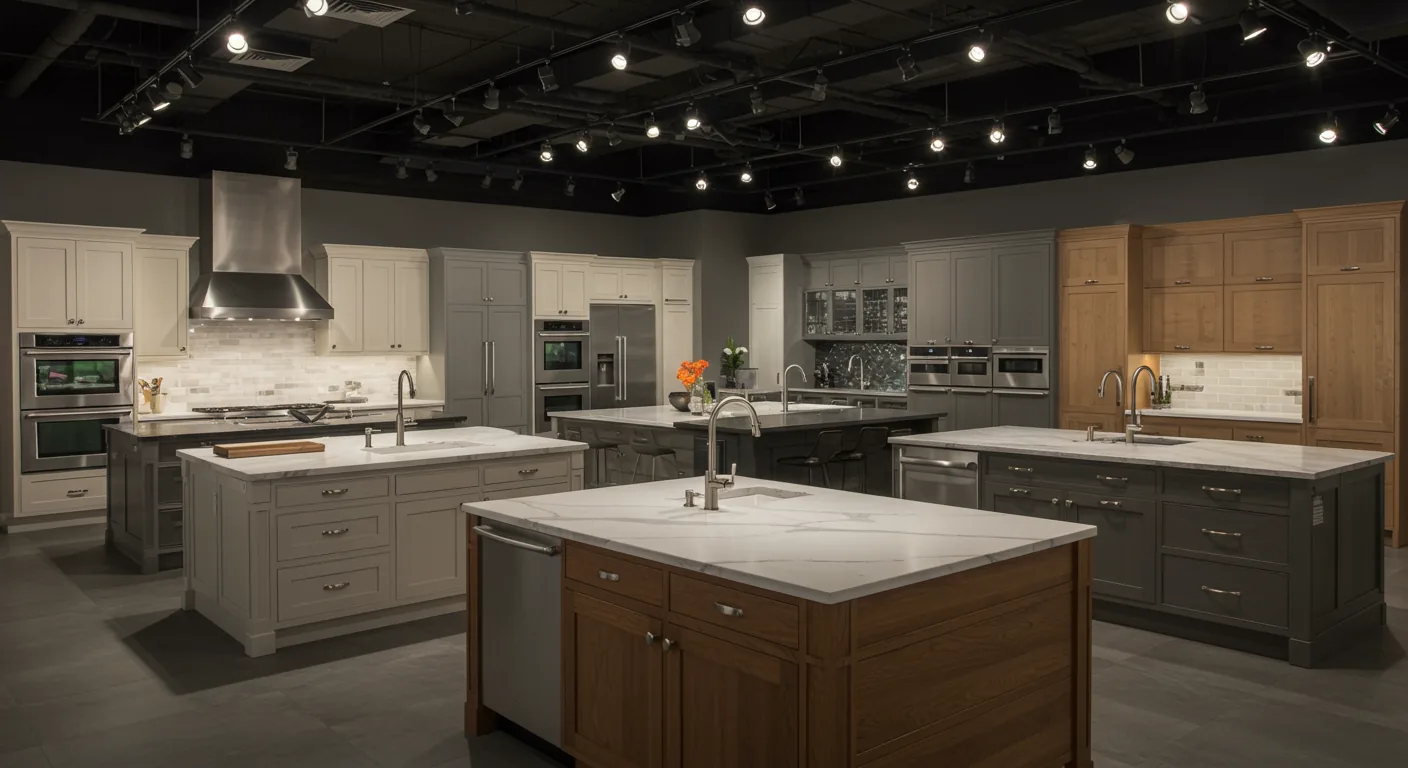
If you would prefer to see real materials and finishes in person rather than in catalogue images, the KITWOOD kitchen showroom in Beirut has our full range on display. We also build custom wardrobes in Lebanon using the same factory and standards, which is useful if you are doing a whole-home project.
Frequently Asked Questions
What is the most popular modern kitchen style in Lebanon right now? Matte lacquer in warm neutrals (off-white, sand, light grey) combined with a wood-veneer accent column or island. Fully white or fully dark kitchens are now the exception rather than the rule.
Is an island worth it in a Beirut apartment? Only if you have 1.1 m of clearance on every side and the island is at least 1.8 m long. Otherwise a peninsula or extended worktop gives you more usable space.
How long does a custom modern kitchen take to design and install in Lebanon? For a fully custom KITWOOD project: typically 2–3 weeks of design and revisions, 4–6 weeks of manufacturing, and 5–10 days of on-site installation. Total: roughly 8–12 weeks from signed design to finished kitchen.
What does a modern kitchen cost in Lebanon in 2026? A full custom modern kitchen from KITWOOD typically starts around $8,000 for a small apartment kitchen and ranges to $40,000+ for a large villa kitchen with premium materials. Our 2026 kitchen cost guide for Lebanon breaks this down in detail.
Ready to start? Book a consultation at our Beirut kitchen showroom and our design team will walk you through layout, materials, and budget for your specific space.
Ready to start your project?
Book a Free Consultation with KITWOOD Lebanon
Visit our showrooms in Sin el Fil (Saloumeh Roundabout) or Zouk Mosbeh (Jounieh Highway), or request a showroom consultation anywhere in Lebanon.