Stone Countertops in Lebanon
Engineered quartz, large-format ceramic, and natural granite — precision cut and finished in Lebanon.
Quick Answer
KITWOOD supplies, templates, fabricates and installs kitchen and bathroom countertops in Lebanon — quartz tops, ceramic tops, sintered stone, granite and marble — from its own stone-fabrication facility in Zouk Mosbeh, with dedicated quality control. Quartzforms grade-A engineered-quartz slabs, manufactured to German specifications, are imported directly. Countertops are templated on site after cabinetry is installed and fitted by KITWOOD's direct-employed team for a precise, seam-controlled finish — no third-party fabricator or installer in between.
- Materials: engineered quartz (incl. Quartzforms grade-A slabs, imported directly), large-format ceramic / sintered stone, natural granite and marble
- On-site templating after cabinetry install — no pre-cut tolerance errors
- Same supplier as the kitchen or wardrobes — single warranty, single installer, single point of contact
Best when bought together with KITWOOD cabinetry — countertop and cabinet tolerances are coordinated by one team, eliminating the gap and edge issues common with split suppliers.
Our Materials
Premium Countertops in Lebanon
We work with the world's leading stone brands — Silestone, Dekton, Compac, and Lapitec — as well as natural granite, marble and bespoke stone surfaces.
Why Choose KITWOOD Countertops?
Precision fabrication, premium brands, and expert installation across Lebanon.
Precision Cutting
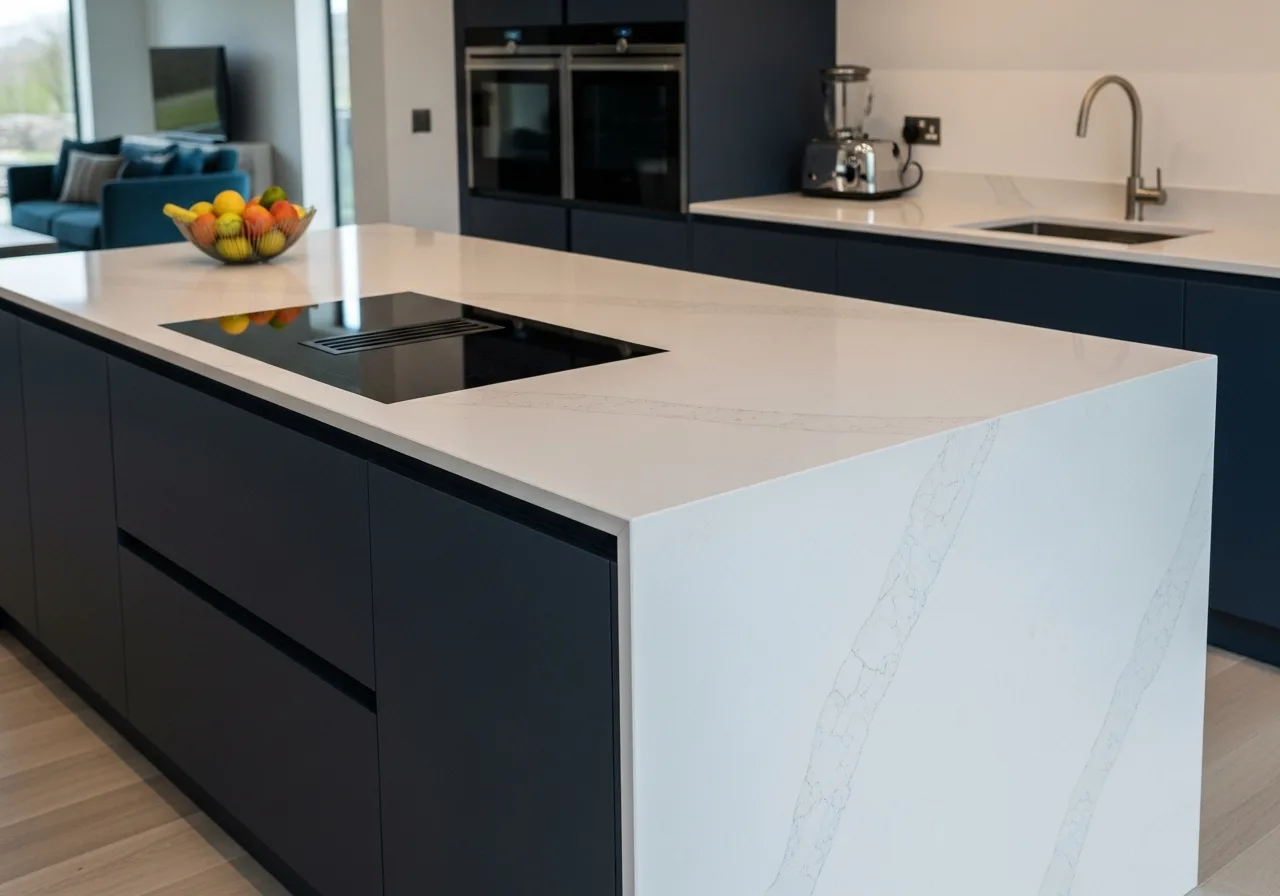
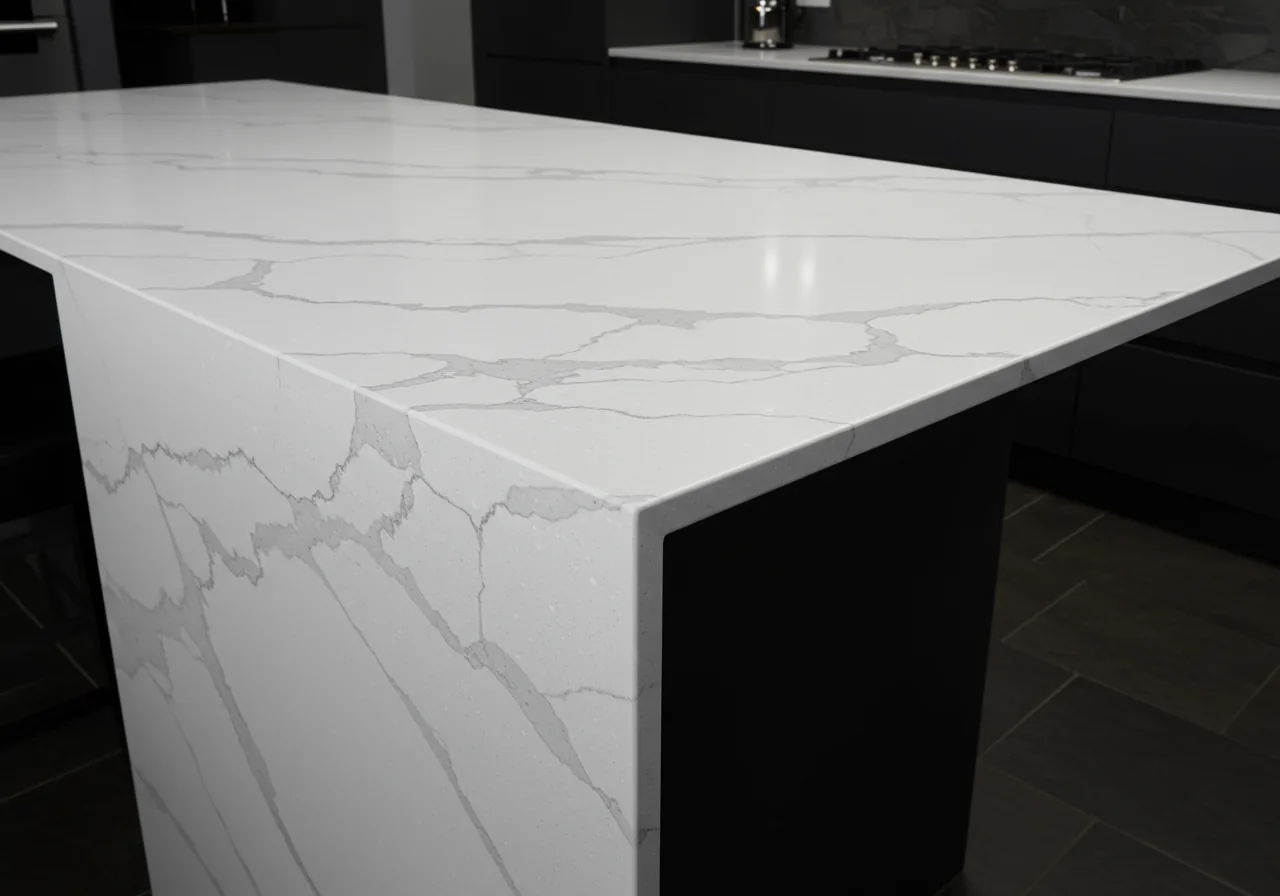
CNC-precision cut to your exact dimensions with waterfall edges, mitred joints, and integrated sink cutouts.
Premium Brands
We work with the world's leading stone brands including Silestone, Dekton, Compac, and Lapitec.
Local Fabrication
All cutting, edging, and finishing is done locally, ensuring quality control and fast turnaround.
Full Installation
Professional template survey, delivery, and installation by our experienced team.
Material Comparison
How to Choose the Right Countertop Material
Choosing a countertop material comes down to four things: how much you cook, how you feel about visible joints, how much maintenance you accept, and your budget. Engineered quartz products are often selected for indoor projects because many are non-porous and have supplier care guidance that avoids sealing; confirm the exact product specification and warranty rather than assuming a category-wide guarantee. Most Lebanese kitchens we build today use quartz from Silestone, Compac or comparable premium brands.
Large-format ceramic (Dekton, Lapitec, Laminam) may suit projects requiring a heat, UV or scratch rating, but performance, allowable exposure, slab dimensions and installation requirements depend on the exact product and supplier instructions. It can be considered for waterfall islands, outdoor kitchens and large continuous runs where joins would be visible after the written specification is checked.
Natural granite and marble give a depth and uniqueness that engineered surfaces cannot match — every slab is one of a kind. Heat, scratch and stain performance varies by slab and finish. Sealing and re-sealing should follow the exact stone and sealer supplier instructions, taking account of slab condition, exposure, cleaning routine and use. For a deeper comparison, read our blog on quartz vs granite vs porcelain countertops in Lebanon.
Buyer's Guide
Choosing a Stone Countertop in Lebanon — What Actually Matters
Choosing a countertop for a Lebanese kitchen is one of the most consequential decisions in any kitchen project. The worktop is the most-used surface in the home, the most visually present element of the kitchen, and the most expensive single material specification after the cabinetry itself. Getting it right matters — and the right answer depends on how you actually live in your kitchen, not on what is trending in international design press.
KITWOOD has been fabricating stone countertops in Lebanon since 1981. Across that period we have installed thousands of worktops in Beirut apartments, Mount Lebanon villas, North Lebanon residences and projects across the country. The notes below are drawn from that direct experience and are intended to help you arrive at a confident specification before you commit to fabrication.
Engineered Quartz — The Default Choice for Lebanese Kitchens
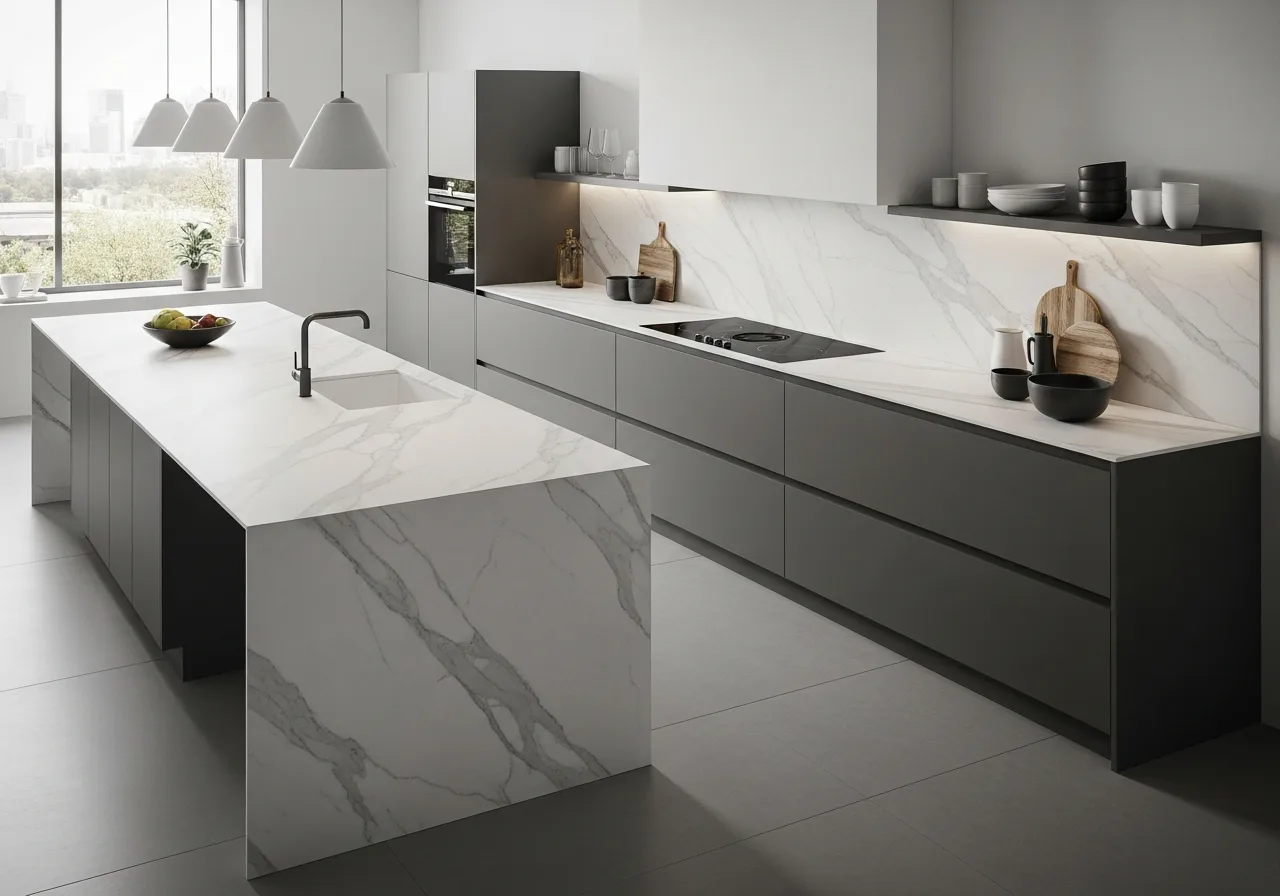
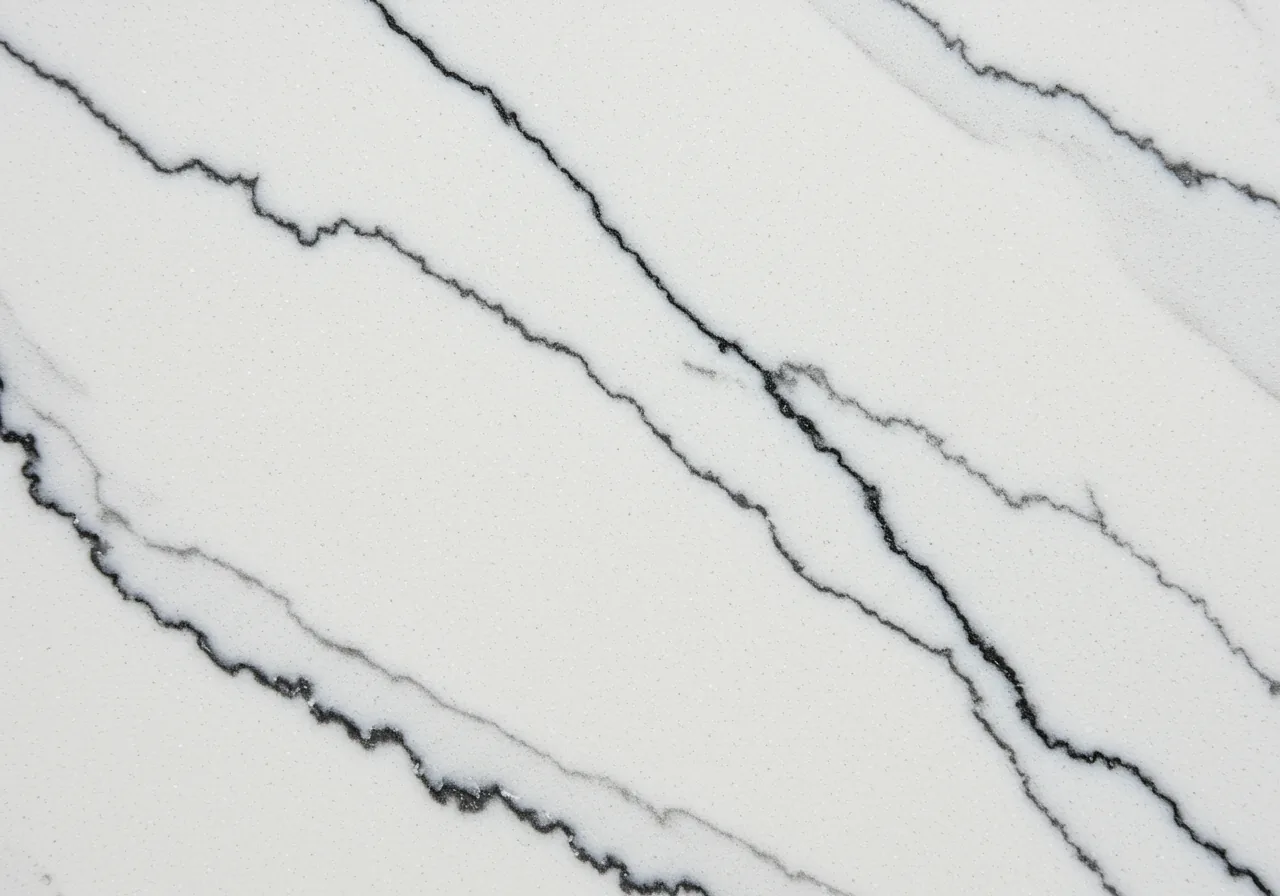
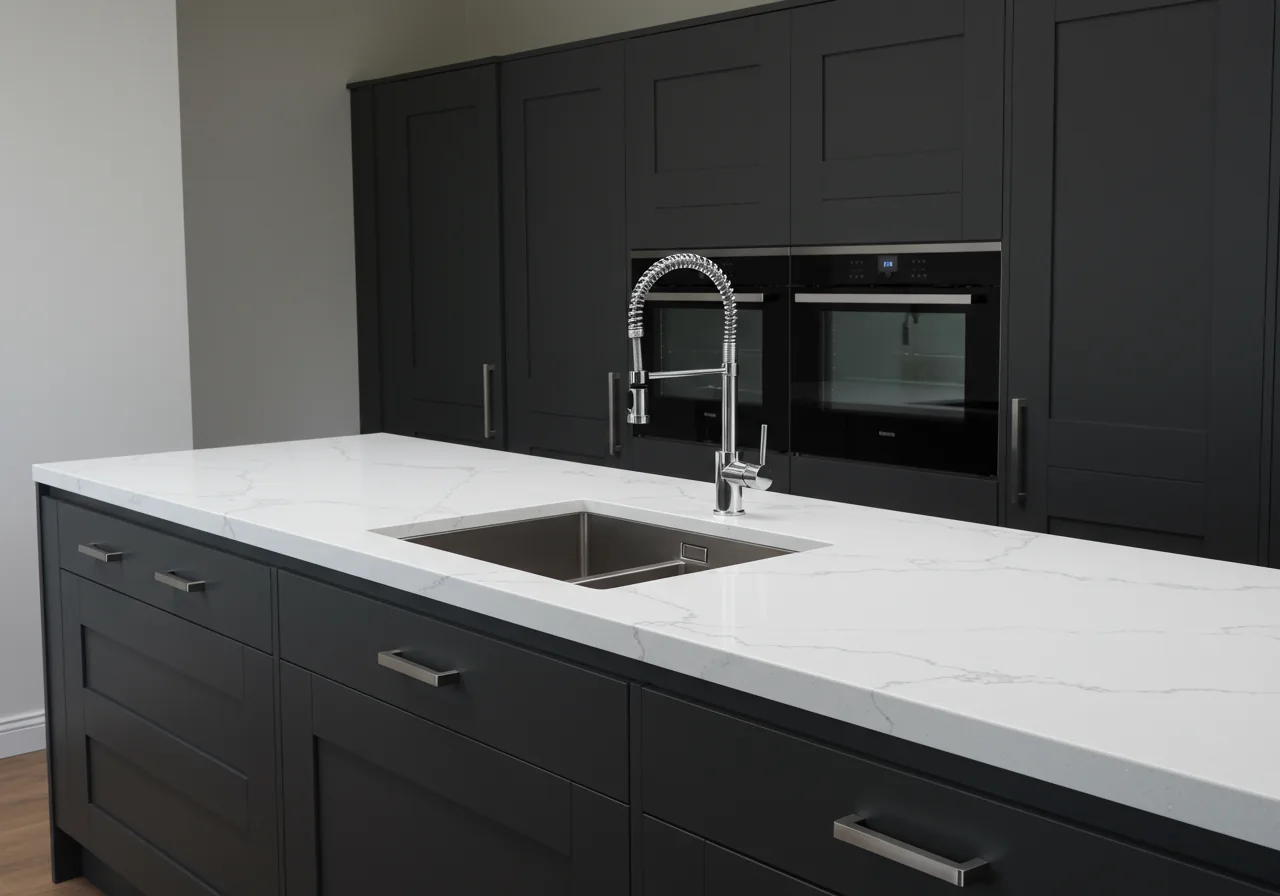
Engineered quartz (typically 93% natural quartz aggregate bonded with polymer resin) is the material we specify for the majority of contemporary Lebanese kitchen projects. Many selected products are non-porous, but stain and chemical performance must be confirmed in the exact supplier specification. Sealing requirements, cleaning products and use limits also follow the selected product's written care guide; do not assume that a category-wide guarantee applies. The colour and pattern range is now extensive — including faithful Calacatta, Statuario and Carrara marble effects.
The trade-offs are honest: quartz products commonly have limits on direct heat (do not place a hot pan directly on the surface — always use a trivet), and outdoor suitability depends on the selected product's UV rating and warranty. Follow the supplier's written specification for the intended exposure rather than relying on a general category rule.
Large-Format Ceramic — When the Product Rating Fits the Project
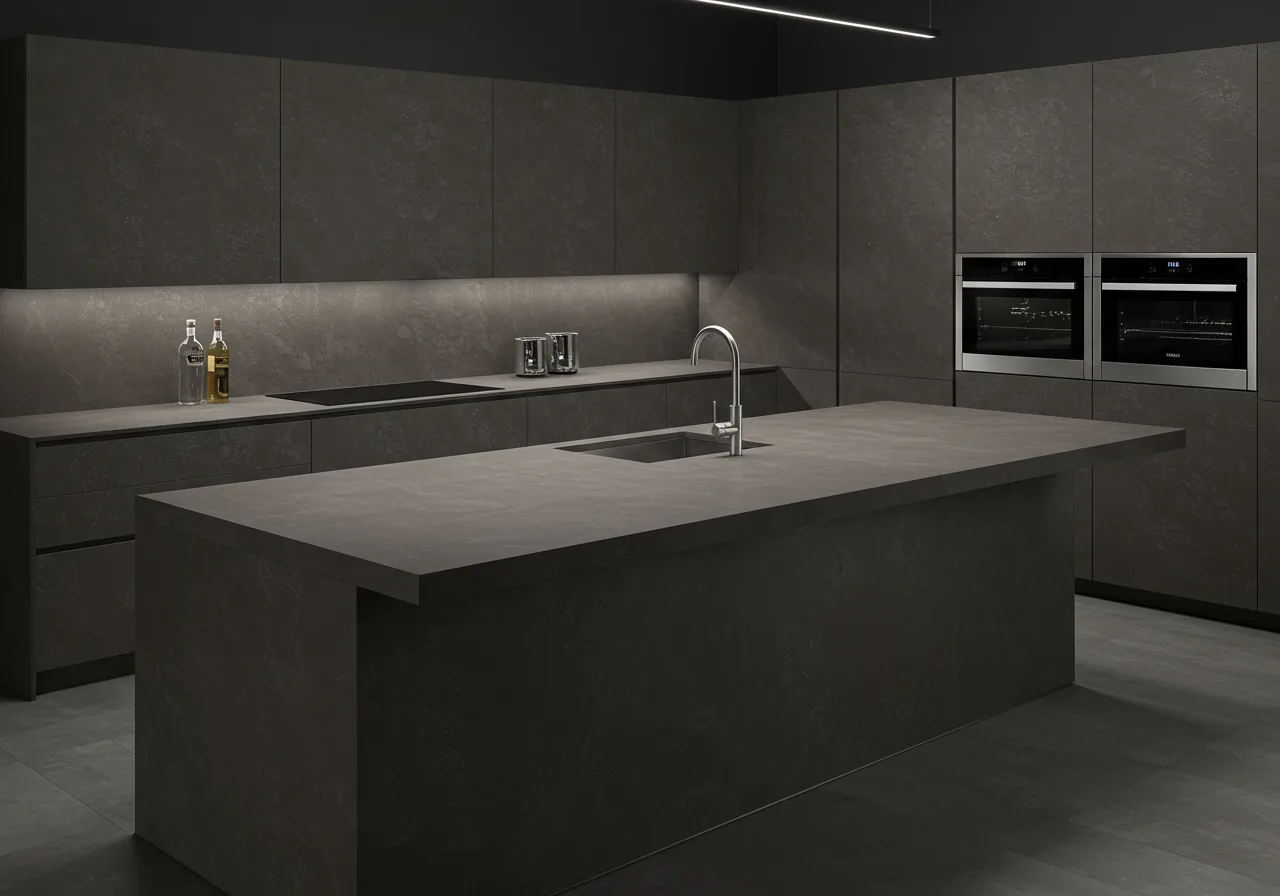
Sintered ceramic and porcelain slab countertops (the category that includes Italian brands such as Laminam, SapienStone and the equivalent of Neolith) can offer strong heat, UV and scratch ratings, but the rating and limitations belong to the exact product. Follow the supplier's written instructions; do not place cookware on the surface unless the product expressly permits it. Slab dimensions, seam requirements and outdoor suitability also depend on the selected product, fabrication and installation.
Ceramic may suit outdoor kitchens, high-heat cooking, Lebanese villa projects and designs where a low-joint presentation matters, when the selected product's written rating and warranty fit the project. The trade-offs include a price premium of roughly 30–50% over engineered quartz, and thin profiles that require experienced fabrication and installation.
Natural Granite — Real Stone for Lebanese Homes That Want Authenticity
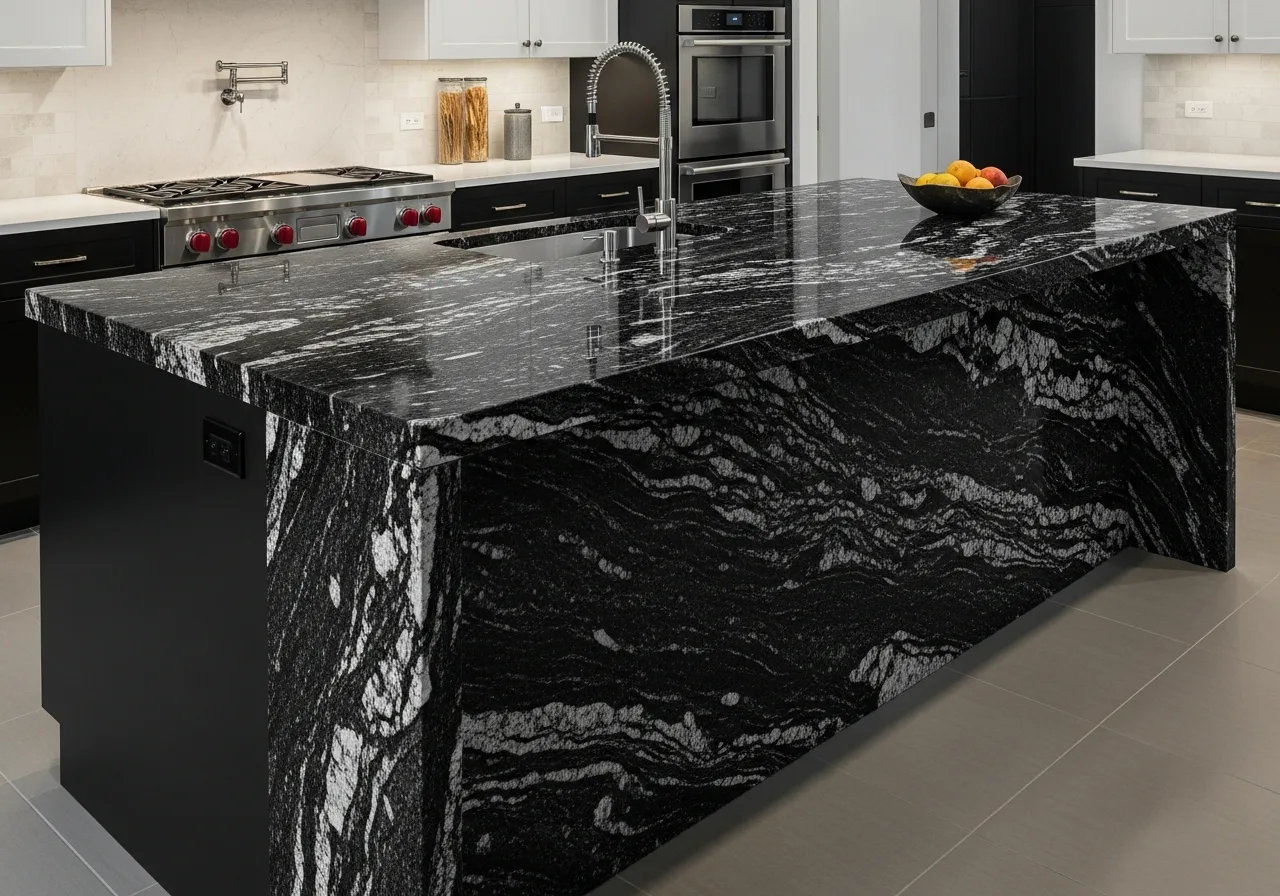
Natural granite remains a choice for clients who want a genuine, geological material in their kitchen — every slab is unique, and the depth and movement of natural stone cannot be replicated by any engineered product. Heat, scratch, stain and maintenance requirements vary by slab and finish; confirm the supplier's written guidance. KITWOOD sources granite slabs internationally and fabricates them in our Zouk Mosbeh workshop. The colour and veining range is enormous: from near-uniform classics like Absolute Black and Imperial White through to dramatic statement stones such as Blue Bahia, Verde Marinace and Volga Blue.
The honest trade-offs of natural granite: it is porous, so it requires sealing on installation and re-sealing according to the schedule specified by the stone and sealer suppliers, taking account of the slab's condition, exposure and cleaning routine to maintain stain resistance; selection is slab-by-slab (you should physically choose your specific slab from our supplier inventory, because no two are identical); and lead times can be slightly longer than for engineered materials. For clients who value authenticity over convenience, the trade-off is worthwhile and the result can remain distinctive with appropriate maintenance.
Thickness, Edge Profiles and Waterfall Islands
Standard worktop thickness in Lebanon is 20 mm or 30 mm depending on material and design intent. A 20 mm slab gives a contemporary, refined silhouette and is the default specification for current minimal kitchen design. A 30 mm slab gives a more substantial, traditional appearance and is often preferred for natural granite where the visual mass complements the geological character of the material. For waterfall island designs — where the worktop continues vertically down the side of the island as a single visual element — we typically specify a 20 mm slab with mitred corners, fabricated to a tolerance that produces a near-invisible joint.
Edge profiles include the standard square eased edge (most contemporary projects), bullnose (softer traditional kitchens), bevelled (transitional designs), and ogee (formal classical kitchens). Most KITWOOD projects use either the square eased edge for minimal contemporary work or a small radius bullnose for everyday family kitchens. Edge selection is a small detail that has a disproportionate effect on the perceived quality of the finished worktop — we will guide you to the right choice based on your overall kitchen design.
The Fabrication and Installation Process — What to Expect
A KITWOOD countertop project follows a defined process. After your kitchen cabinetry is installed, our fabrication team visits the site to take a precise digital template — laser-measured to the actual installed cabinet positions, accounting for any wall variation, column intrusion or service penetration. The template is taken back to our Zouk Mosbeh workshop where the slab is CNC-cut, edge-profiled, and sink and hob cutouts are pre-machined. Typical fabrication lead time from template to installation is 5 to 10 working days depending on material availability and project complexity.
Installation is completed by KITWOOD's own installation team — the same team that installs our kitchen cabinetry. The worktop is set onto the carcasses, levelled, sealed at all wall and splashback junctions with a colour-matched silicone, and any joints between slab sections are colour-matched and finished to a near-invisible line. Sink and hob installation is coordinated with the worktop fitting so that everything is commissioned and ready to use on a single visit. Total time on site is typically half a day to a full day for a standard residential kitchen.
Care and Maintenance — Honest Guidance
For every selected product, follow the exact supplier care and warranty instructions. Engineered quartz commonly uses mild soapy water and a soft cloth; avoid abrasive cleaners, bleach or oven-cleaner products unless the supplier expressly permits them, and use a trivet for hot pans. Sealing requirements vary by product, so do not assume that a category-wide rule applies. Sintered ceramic care, heat and UV limits also depend on the exact product rating. For natural granite, inspect the sealer and re-seal according to the schedule specified by the stone and sealer suppliers, taking account of slab condition, exposure, cleaning routine and use; avoid prolonged contact with acidic substances such as lemon juice or vinegar.
KITWOOD-fabricated countertops are supported by the applicable slab supplier or manufacturer terms and our written workshop terms for fabrication and installation. After-sales support — adjustments, repairs, re-sealing for natural stone — is provided directly by KITWOOD's team, subject to component condition, compatibility, supplier availability and the project's written warranty and service terms. There is one point of contact for the entire kitchen, including the worktop, which helps coordinate work when cabinetry and countertop are sourced together.
Pricing Guidance for Lebanese Countertop Projects
Countertop pricing in Lebanon depends on three variables: material specification, slab area required, and edge / cutout complexity. As a working reference for budgeting purposes, an entry-level engineered quartz worktop for a standard 4-metre kitchen run typically falls in the range of $1,500 to $2,500. A premium quartz specification for a kitchen with an island can range from $3,000 to $6,000. Sintered ceramic for the same configuration carries roughly a 30–50% premium over equivalent quartz. Natural granite varies widely by slab — from accessible classics like Absolute Black through to high-end dramatic stones that can exceed quartz pricing significantly. Every KITWOOD quotation is fully itemised so you can see exactly what you are paying for and where the cost sits in the market.
For a precise, project-specific quotation, the most efficient route is a brief site visit or a sketch of your planned kitchen layout. We will produce an itemised price for your chosen material and configuration, with no obligation to proceed. Discover the full range of custom kitchens in Lebanon we manufacture in-house, browse the related bathroom vanities we fabricate, or read our detailed comparison of quartz vs granite vs porcelain countertops in Lebanon for a deeper material analysis.
Edges & Finishes
Edge Profiles, Surface Finishes and Joints
We cut and finish every slab in our Zouk Mosbeh workshop. Edge profiles include square (eased), bullnose, mitred for waterfall islands, and ogee for classical kitchens. Surface finishes are polished (high gloss), honed (matte), and leathered (textured matte) — each affects how light reflects, how fingerprints show, and how easy the surface is to keep clean.
For islands and L-shapes that exceed slab size, we use mitred joints (45° edges glued and clamped) for an almost invisible seam, or book-matched veined slabs for a continuous pattern. Cutouts for sinks (undermount, overmount, integrated) and hobs (induction, gas, downdraft) are CNC-cut to manufacturer specifications, with radius corners that reduce stress and prevent cracking.
Design Inspiration
Countertop Inspiration
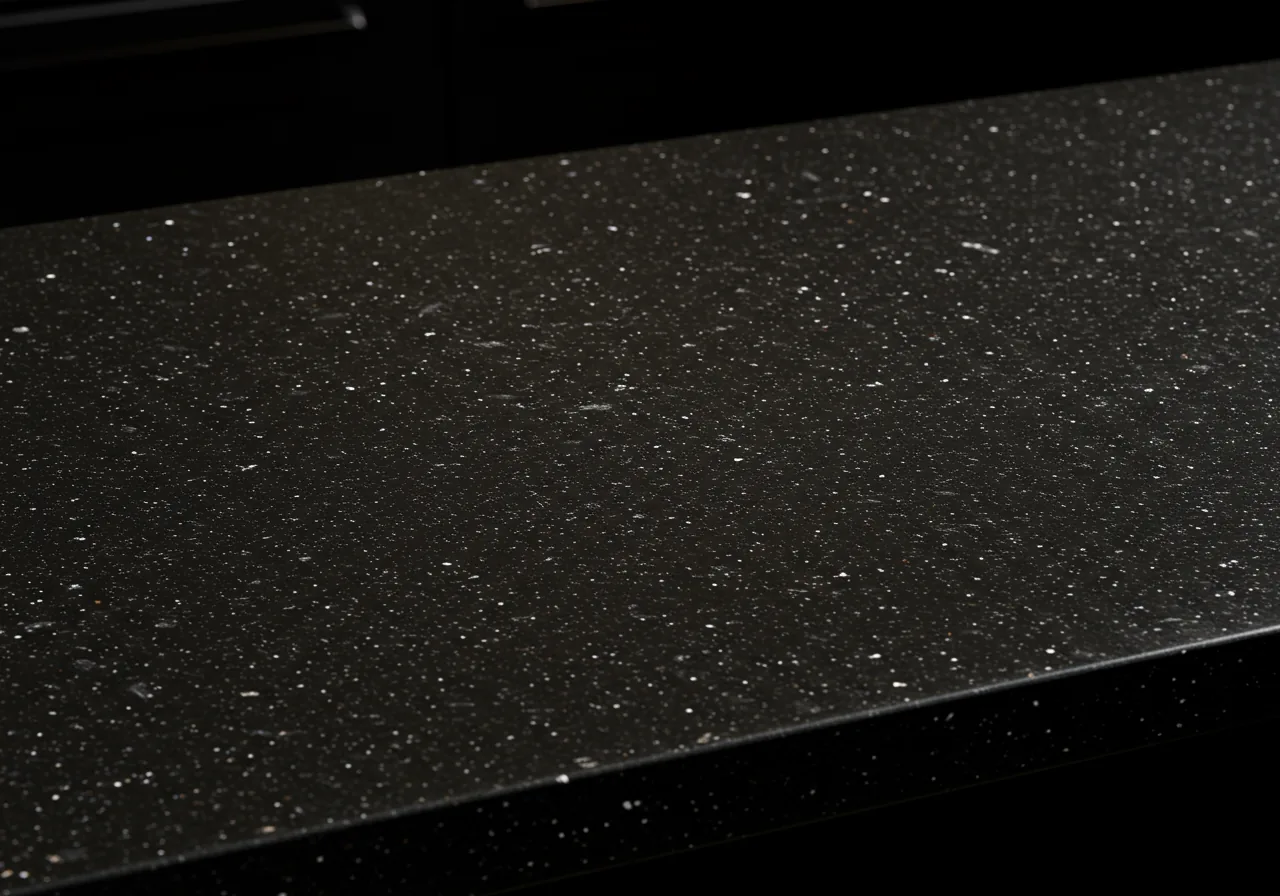
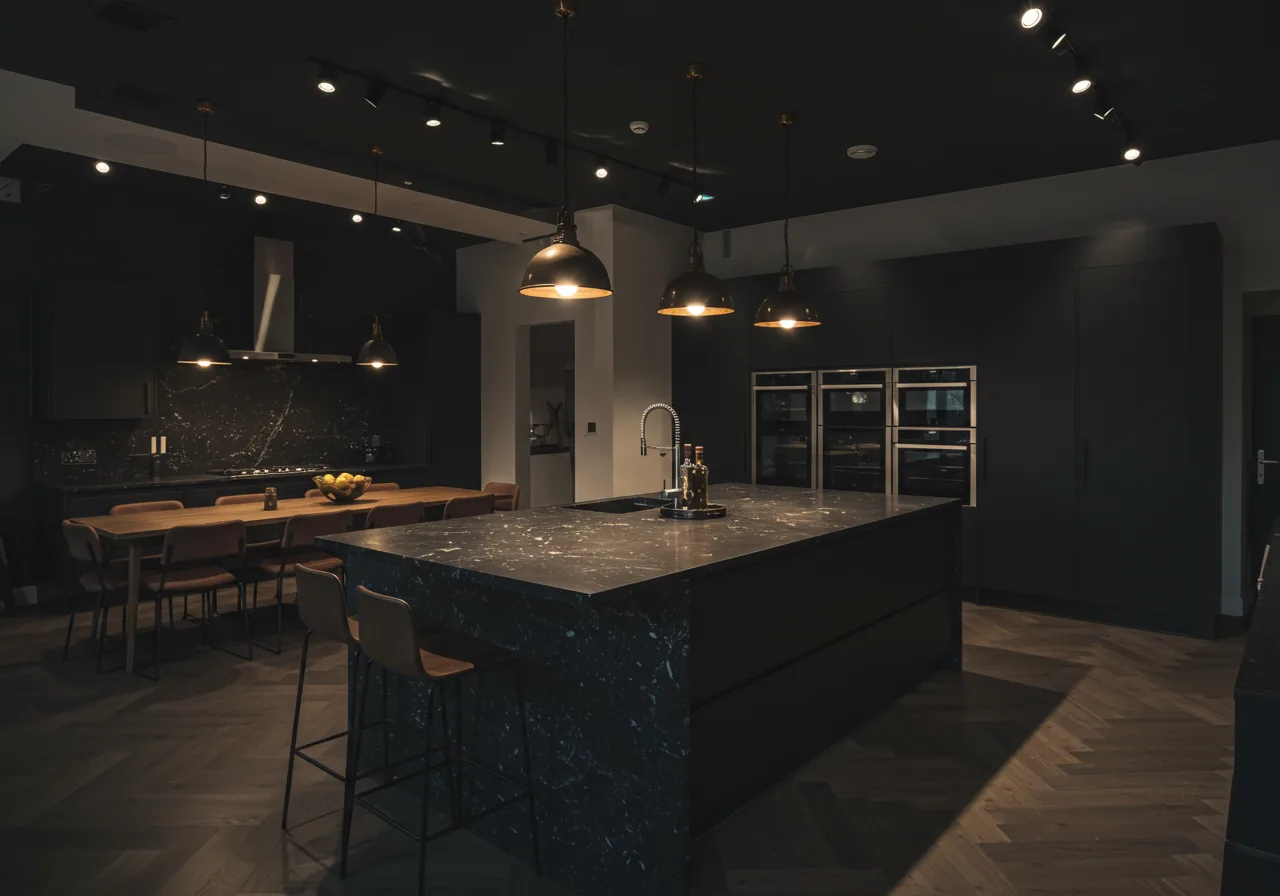
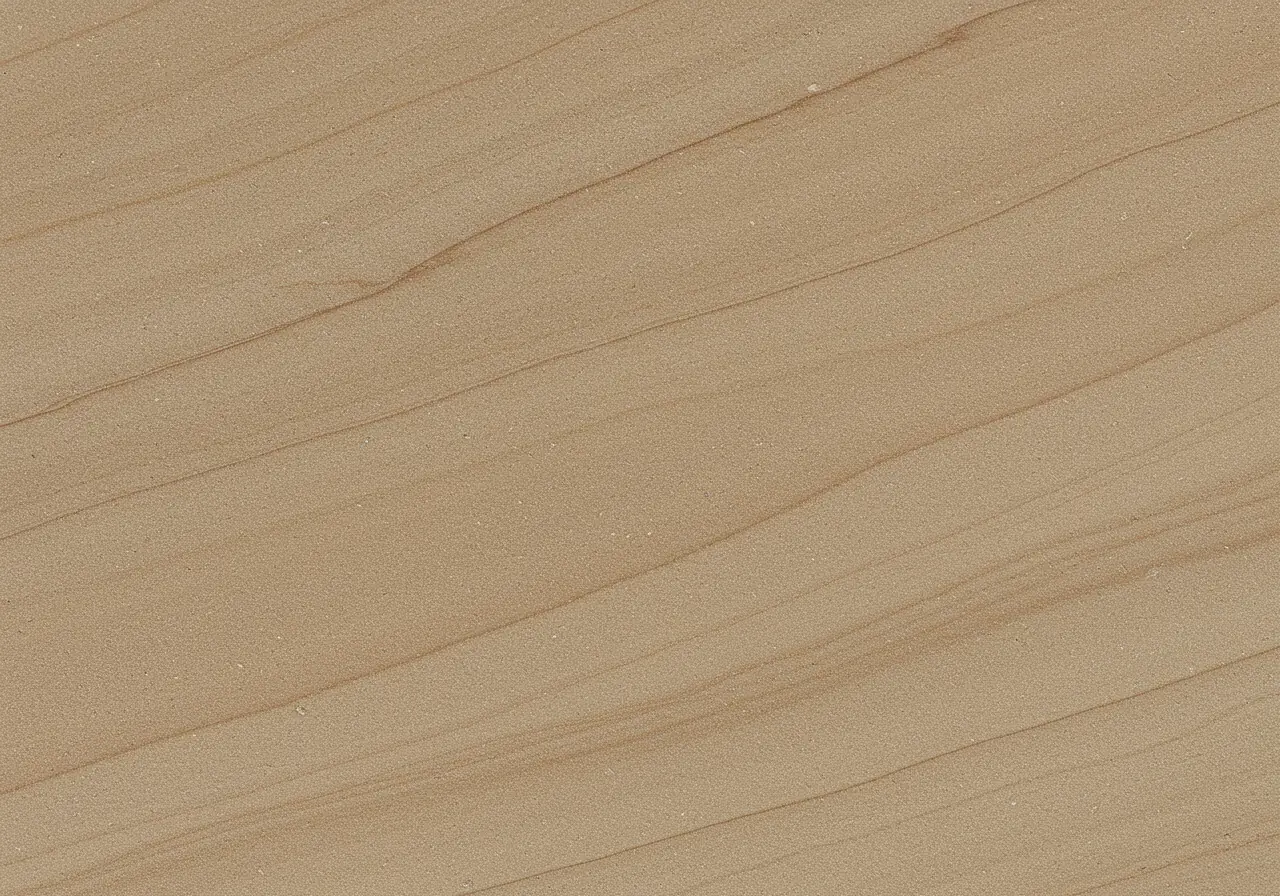
Explore our gallery of stone worktops, kitchen islands and bathroom surfaces.

Frequently Asked Questions
Common questions about KITWOOD stone and quartz countertops.
Engineered quartz — particularly Calacatta-style marble-look patterns — is a common choice in recent Lebanese projects. It offers a marble-like appearance; compare the selected product's written performance, care and warranty terms with the needs of the household.
Explore More
Related KITWOOD collections and resources.