Full-Service Kitchen Companies in Lebanon
What changes when one kitchen company handles design, manufacturing, and installation under one roof — vs coordinating separate suppliers yourself.
Quick Answer
A full-service kitchen company in Lebanon handles every stage of the project — initial design, material selection, custom manufacturing, on-site installation, and after-sales support — with one accountable team. Split-vendor projects (designer + separate manufacturer + separate installer) shift the coordination burden onto the homeowner and create handoff gaps where mistakes happen.
- Full-service: one team owns design, manufacturing, installation, and after-sales — single point of accountability
- Split-vendor: separate designer, manufacturer, and installer — homeowner coordinates handoffs and absorbs gaps
- Imported brands typically split production (Europe) and installation (local subcontractor) — even when sold as 'full service'
- Truly full-service requires the supplier to own the factory and employ the installation team directly
For premium kitchens with custom dimensions or specifications, prefer a full-service supplier with their own factory and direct-employee installation team. The single point of accountability is the strongest predictor of a clean project outcome.
What 'Full Service' Actually Means in Practice
The term 'full service' is used loosely in Lebanon's kitchen market. Many suppliers describe themselves as full-service because they offer design consultation alongside their product. In a strict sense, a full-service kitchen company runs the entire chain end-to-end:
• Initial consultation and brief gathering • Site measurement and technical survey • Design proposal with renders, materials, and pricing • Custom cabinet manufacturing • Worktop coordination and installation • On-site installation by the supplier's own team • Snag-list resolution and project handover • Long-term after-sales service from the same factory
The distinction matters because every handoff between separate companies is where mistakes typically happen — wrong dimensions, missed details, finger-pointing when something doesn't align. A full-service supplier eliminates the handoffs.
KITWOOD has operated as a full-service kitchen manufacturer in Lebanon since 1981. Every stage above is handled by KITWOOD employees, in our facilities, with one project manager owning the entire timeline.
The Four Common Industry Models
Lebanon's kitchen market includes four genuinely different operating models. Understanding which one your supplier follows is the single most important question for project predictability:
MODEL 1 — DESIGN STUDIO ONLY: A designer or interior architect produces the kitchen design. The homeowner then commissions a separate manufacturer to build it and a separate contractor to install it. Common for high-end residential projects with named architects.
MODEL 2 — SHOWROOM RESELLER: A showroom presents kitchen options from European brands. The cabinets are imported from Europe; the local team handles only sales and installation coordination. Manufacturing is fully outsourced to the European brand.
MODEL 3 — MANUFACTURER WITHOUT INSTALLATION: A factory produces kitchens but subcontracts installation to independent carpenters or third-party installation crews. The cabinets are good; the installation quality varies with which subcontractor was assigned.
MODEL 4 — FULL-SERVICE MANUFACTURER: One company designs the kitchen, manufactures it in their own factory, installs it with their own team, and provides after-sales directly. Single point of accountability for every stage.
All four models can produce excellent kitchens. The difference is who absorbs the risk when something does not go as planned — and in most cases, that is the homeowner unless the supplier explicitly takes responsibility for the entire chain.
Where Handoff Gaps Actually Cause Problems
Specific examples of where split-vendor projects in Lebanon commonly fail:
DIMENSIONAL ERRORS BETWEEN DESIGN AND MANUFACTURING: The designer's drawings specify 2,432 mm. The manufacturer reads it as 2,430 mm. The 2 mm gap appears at the wall edge. Whose responsibility? In split-vendor projects this is typically resolved by argument; in full-service projects it is caught at production sign-off because the same team owns both stages.
MATERIAL MISMATCHES: The designer specified a specific lacquer colour from a sample card; the manufacturer ordered a similar colour from a different supplier. The kitchen arrives in a finish that does not match the bathroom vanity from the same designer. Full-service suppliers use one material library across the entire project.
ELECTRICAL AND PLUMBING ALIGNMENT: The cabinets arrive on site to find that the electrical points are 4 cm off, the plumbing rough-in interferes with the dishwasher position, or the cooker hood vent does not align with the cabinet cut-out. In split-vendor projects, the trades blame each other; in full-service projects, the supplier sends a pre-installation site inspection.
WORKTOP TEMPLATING: The cabinets are installed; the worktop fabricator templates, fabricates, and returns to install. If anything is off — sink cut-out misaligned, edge profile wrong, joint placement awkward — the homeowner is now caught between cabinet and worktop suppliers. Full-service suppliers coordinate worktop templating and installation as part of the same project.
AFTER-SALES OWNERSHIP: If a hinge later fails, a split-vendor homeowner may contact the designer, who refers them to the manufacturer, who refers them to the original installer (who may have moved on). In a full-service project, the homeowner contacts the supplier directly and the same factory handles the parts request.
What Full-Service Looks Like at KITWOOD
Concretely, what every KITWOOD project includes from consultation to handover:
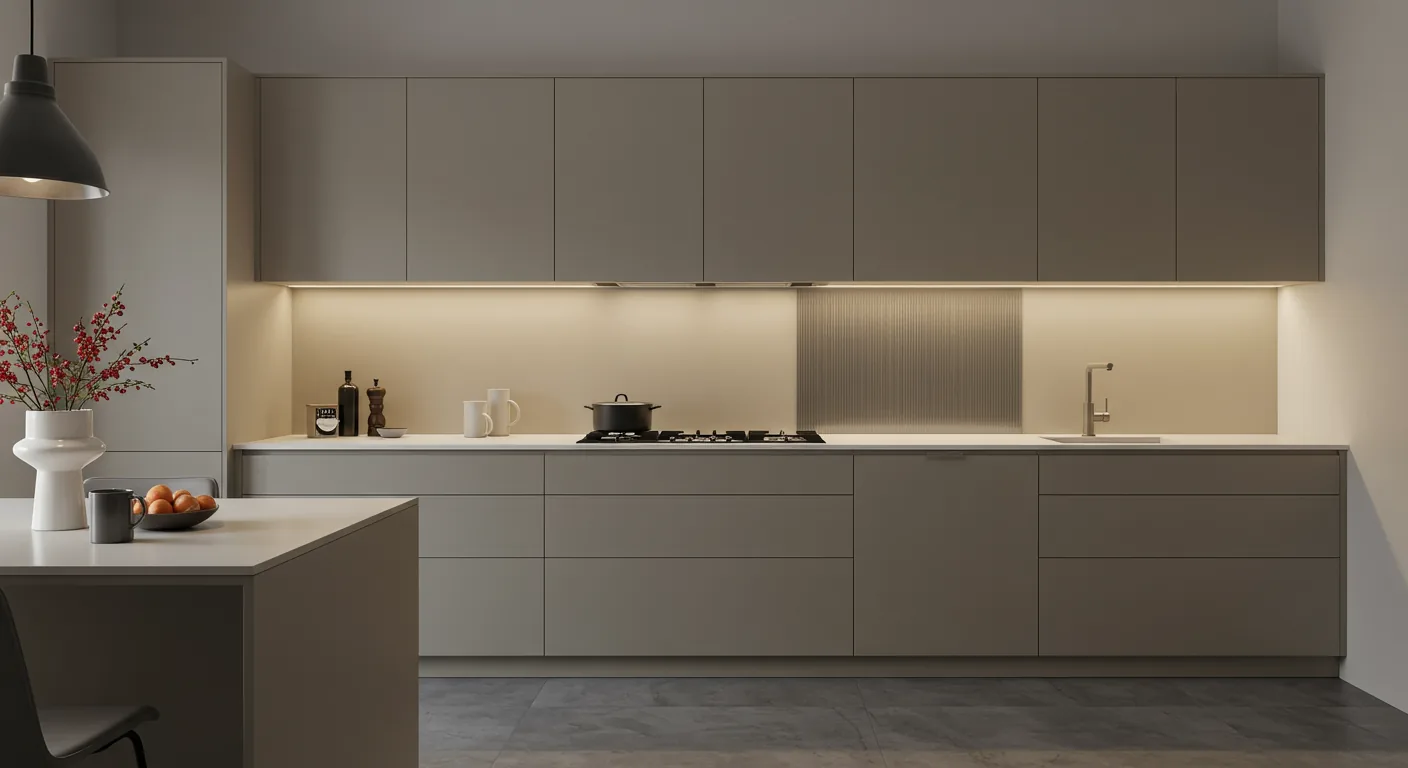
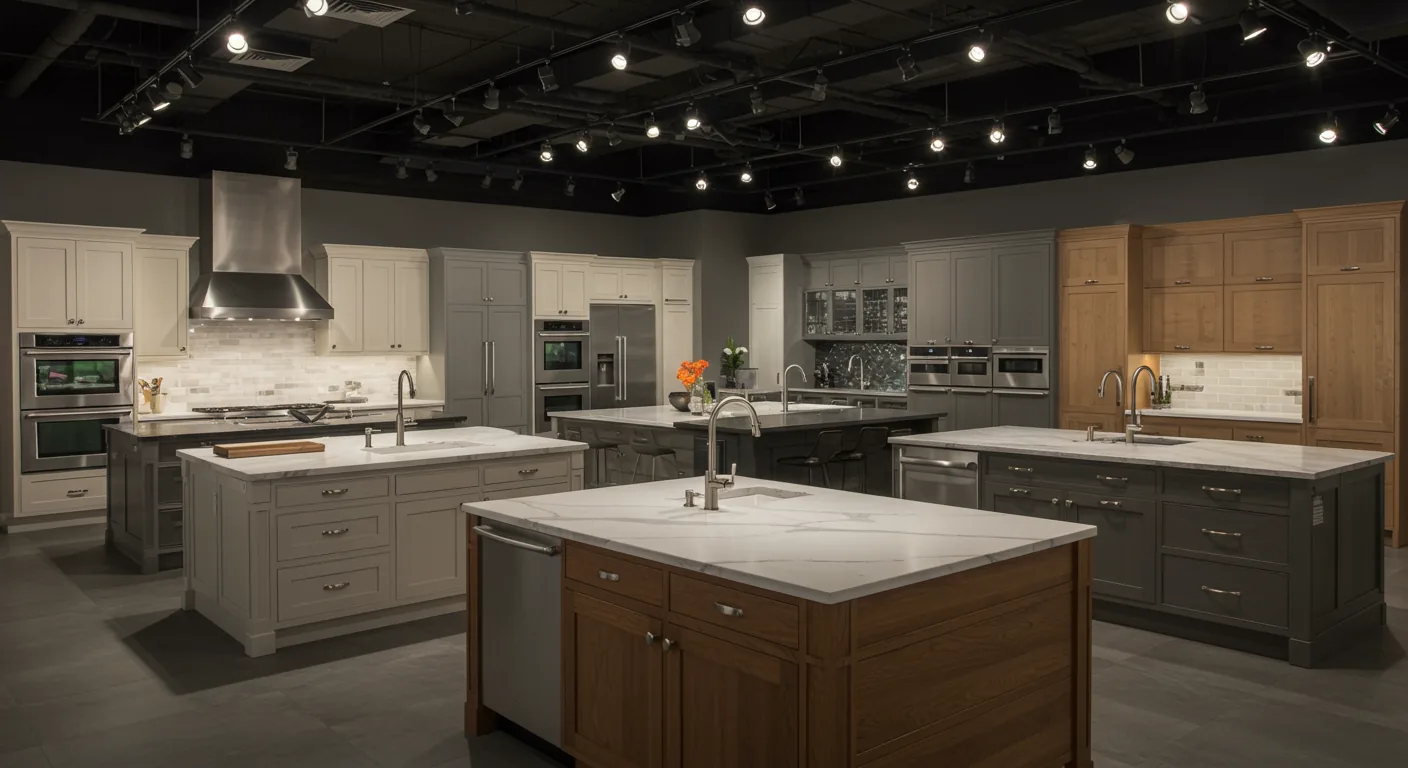
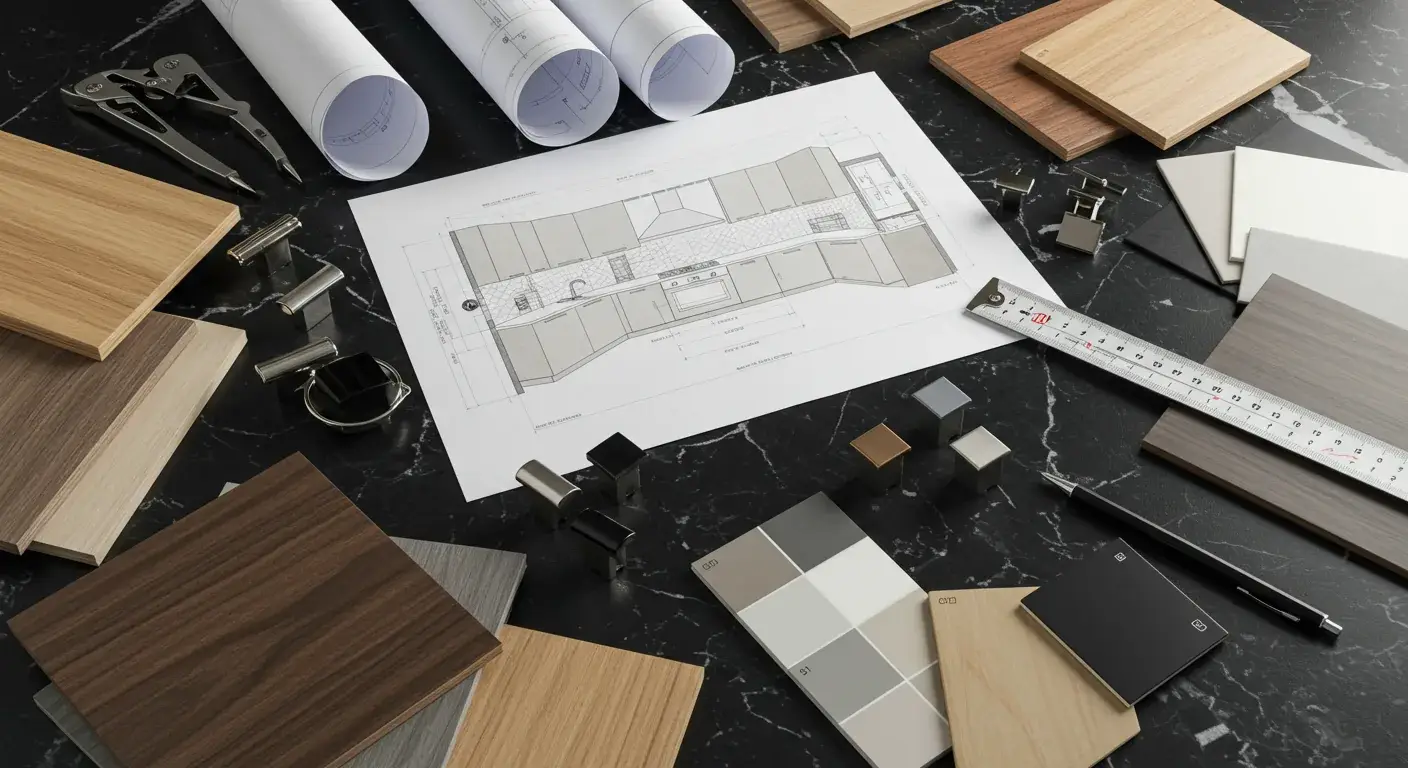
DESIGN PHASE (2–4 WEEKS): Initial consultation at our Sin El Fil or Zouk Mosbeh showroom, or on site for villa projects. Site measurement by our technical team. Design proposal with 2D layouts, 3D renders, complete material specification, and itemised pricing. Two to three rounds of refinement until the design is finalised.
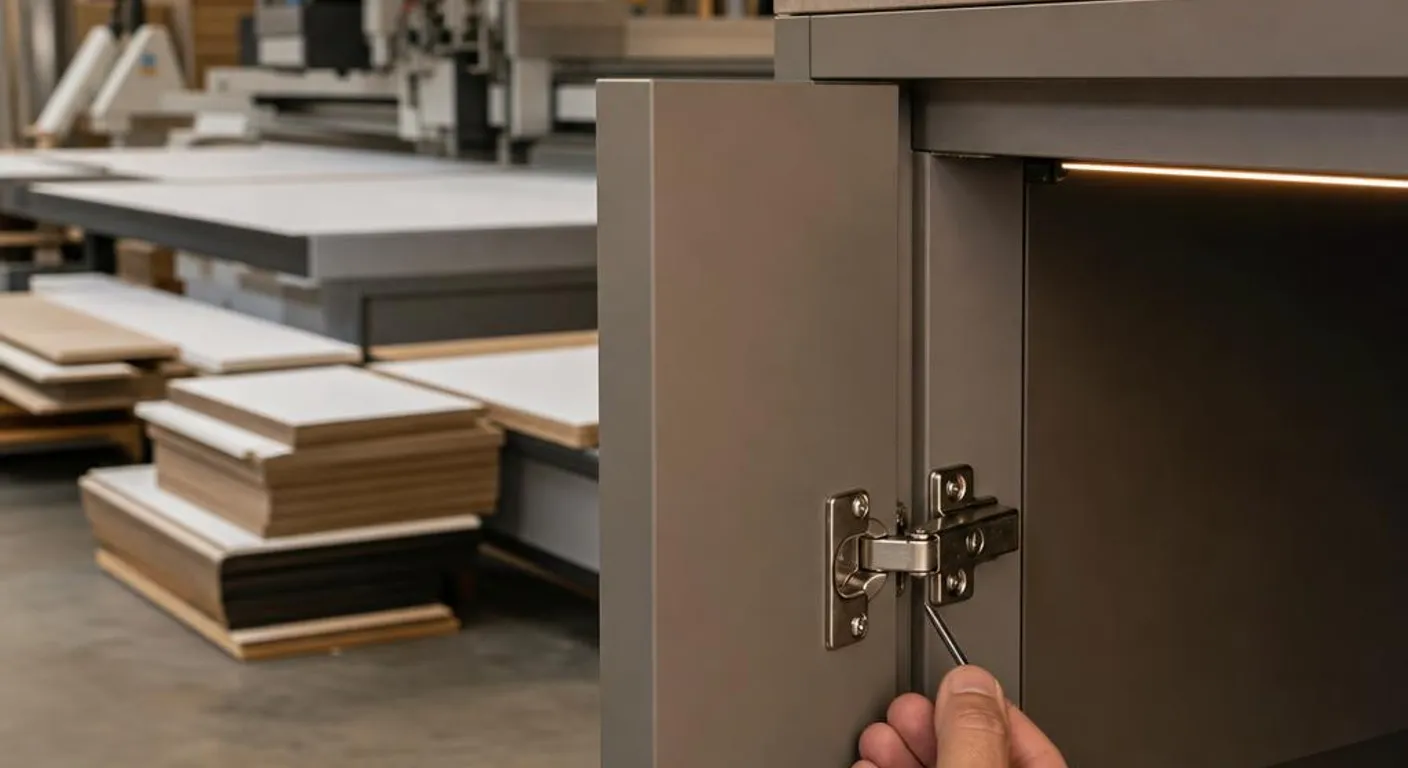
MANUFACTURING PHASE (6–8 WEEKS): Production drawings prepared and validated against site measurements. Material procurement from our established European hardware and finish suppliers. CNC cutting, edge banding, hardware installation, and quality control in our 6,000 m² Zouk Mosbeh factory. Pre-delivery factory check on the assembled kitchen before transport to site.
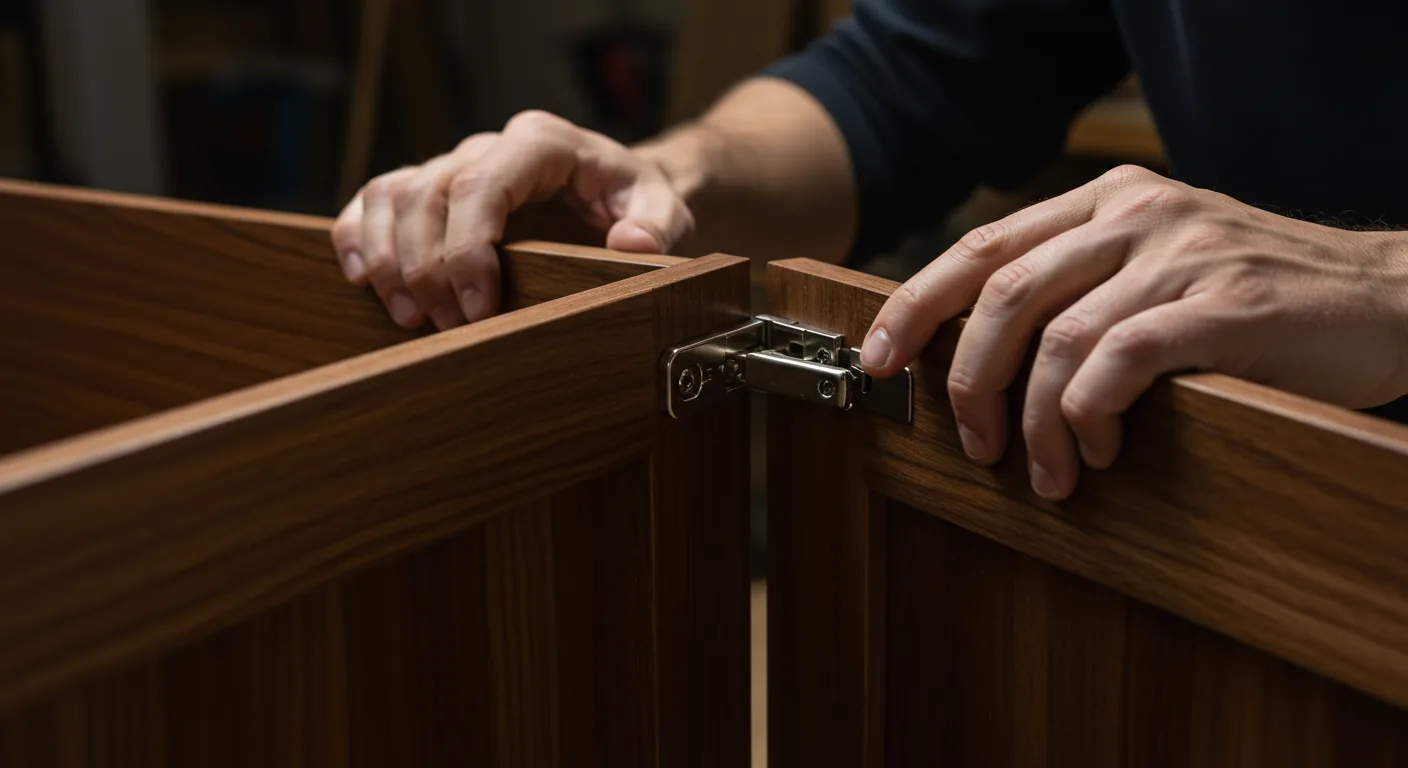
INSTALLATION PHASE (1–3 WEEKS): Pre-installation site inspection to confirm electrical, plumbing, flooring and walls are ready. On-site installation by KITWOOD's directly employed installation team — not subcontracted carpenters. Worktop templating and installation coordinated through KITWOOD's countertop partners. Snag-list walkthrough with the project manager and final adjustments.
HANDOVER AND AFTER-SALES (ONGOING): Project handover with care instructions and warranty documentation. Direct after-sales contact through our team — one phone call reaches the people who built the kitchen. Production drawings and material specifications are retained at the factory for future service.
This is the same model that has been refined across more than four decades of kitchen projects in Lebanon. The advantage of full-service is not that nothing ever goes wrong — it is that when something does, one team owns the resolution.
When the Split-Vendor Approach Is Acceptable
We are honest that the full-service model is not always the right answer. There are situations where the split-vendor approach makes sense:
WHEN AN ARCHITECT DRIVES THE PROJECT: For high-end residential projects led by an established architecture or interior design firm, the architect typically wants design control. The kitchen supplier's role is then to manufacture and install to the architect's specification — closer to a model 3 (manufacturer without independent design) than full-service. KITWOOD frequently works in this configuration with leading Lebanese architects, providing manufacturing depth and installation discipline within their design vision.
WHEN A SPECIFIC IMPORTED BRAND IS SPECIFIED: If the project specifically requires a named European brand, the chain is necessarily split — European factory for production, local distributor for sales and coordination, often a local installation subcontractor. This is the correct model for that requirement, but the homeowner should understand that 'full-service' marketing from import-only suppliers describes coordination, not manufacturing.
WHEN AN EXISTING CONTRACTOR HANDLES INTEGRATION: For broader renovation projects where a general contractor manages the entire site, the kitchen supplier may operate as supply-only and the contractor's team handles installation. This works when the contractor is competent and the kitchen supplier delivers cabinets on schedule with clear installation documentation.
Questions to Ask Any Full-Service Claim
Before signing a contract with any supplier that describes itself as full-service, ask these specific questions:
• "Where are my cabinets manufactured?" — A full-service manufacturer names a Lebanese facility. A reseller references a European brand. • "Who designs the kitchen — your team or a freelance designer?" — Full-service means in-house design. • "Who installs the kitchen — your direct employees or subcontracted carpenters?" — Full-service means direct employees. • "Who handles the worktop coordination — you, the homeowner, or a separate stone fabricator we contract independently?" — Full-service includes worktop coordination. • "If a hinge fails in 5 years, who do I call and what is the typical response time?" — Full-service means one phone number with a defined service standard. • "Do you retain the production drawings for my project for future service?" — Full-service includes project documentation for service requests.
The answers to these questions reveal which industry model the supplier actually follows, regardless of marketing language. For more on the underlying business models, see our factory-made vs import-only suppliers guide.
Frequently Asked Questions: Full-Service Kitchen Companies in Lebanon
**What does 'full-service kitchen company' actually mean?** It means one supplier handles design, custom manufacturing, installation, and after-sales — with their own employees and their own factory — rather than coordinating multiple subcontractors. The homeowner has one point of accountability for the entire project.
**Are imported European brands full-service in Lebanon?** Usually no — even when they describe themselves that way. Imported brands manufacture in Europe and rely on local installation subcontractors. The local distributor coordinates the chain but does not own production.
**Why does in-house installation matter?** Installation quality determines whether a well-built cabinet looks well-built once it is on the wall. Direct-employee installation teams are accountable to the supplier's quality standards. Subcontracted teams vary in skill and motivation depending on which crew is assigned.
**Does full-service cost more?** Generally no — and often less. Full-service eliminates the coordination overhead between separate vendors and the margin-stacking that occurs when each step adds its own markup. KITWOOD's full-service pricing is typically 30–60% below imported European equivalents at the same specification.
**What if I want to use my own architect's design?** Most full-service manufacturers (KITWOOD included) frequently produce kitchens to architect-supplied specifications. The full-service value then applies to manufacturing, installation, and after-sales — design ownership remains with the architect.
**Who is responsible if the kitchen doesn't fit on installation day?** In a full-service project, the supplier is responsible — and resolves it from the same factory that produced the cabinet. In a split-vendor project, responsibility is typically contested between the designer, the manufacturer, and the installer.
Visit our kitchens hub to see what full-service production looks like in practice, or book a consultation to discuss your project end-to-end.
Ready to start your project?
Book a Free Consultation with KITWOOD Lebanon
Visit our showrooms in Sin el Fil (Saloumeh Roundabout) or Zouk Mosbeh (Jounieh Highway), or request a showroom consultation anywhere in Lebanon.