Custom Wardrobes in Lebanon: Smart Storage
Custom wardrobes in Lebanon are no longer just storage — they shape how a bedroom looks, functions, and feels. This guide covers types, materials, and trends.
Wardrobe Quick Guide
Custom wardrobes built to the exact dimensions of your room offer better space use, more refined design, and longer lifespan than standard off-the-shelf units. The internal layout matters as much as the external design.
- Hinged wardrobes: classic, versatile, best when there is clearance for door swing
- Sliding wardrobes: ideal for contemporary spaces, no door clearance needed
- Walk-in wardrobes: best for larger bedrooms — maximum organization and a luxury feel
- Key internal features: long hanging, double hanging, drawers, shoe storage, lighting
Invest in the internal layout as much as the exterior finish. A wardrobe that looks beautiful but lacks proper internal organization will frustrate you in daily use. The KLOZET system by KITWOOD is designed around how clients actually use their storage.
Why Standard Units Rarely Work Well in Lebanese Homes
The core practical argument for custom wardrobes in Lebanon is not aesthetic — it is dimensional. Lebanese apartments, particularly those in older buildings across Beirut, Jounieh, and Mount Lebanon, are rarely built to standard measurements. Ceilings vary. Walls are not always square. Column intrusions reduce usable width in ways that fixed-module wardrobe systems cannot address cleanly.
The result, when standard units are installed, is predictable: filler strips at the sides, a gap at the top where dust collects, and a visual proportion that never quite looks resolved. In many Lebanese bedrooms we encounter, a standard-unit wardrobe that was installed five years ago has already been modified, partly disassembled, or is simply operating with a visible gap at the ceiling that bothers the homeowner daily.
A custom wardrobe eliminates these issues by design — it is built to the exact millimetre of the room, including the ceiling height, the column offset, and the wall angle. This is not a minor advantage. In practice, it is the difference between a wardrobe that looks like it belongs and one that looks like it was placed.
Choosing the Right Wardrobe Type for Your Space
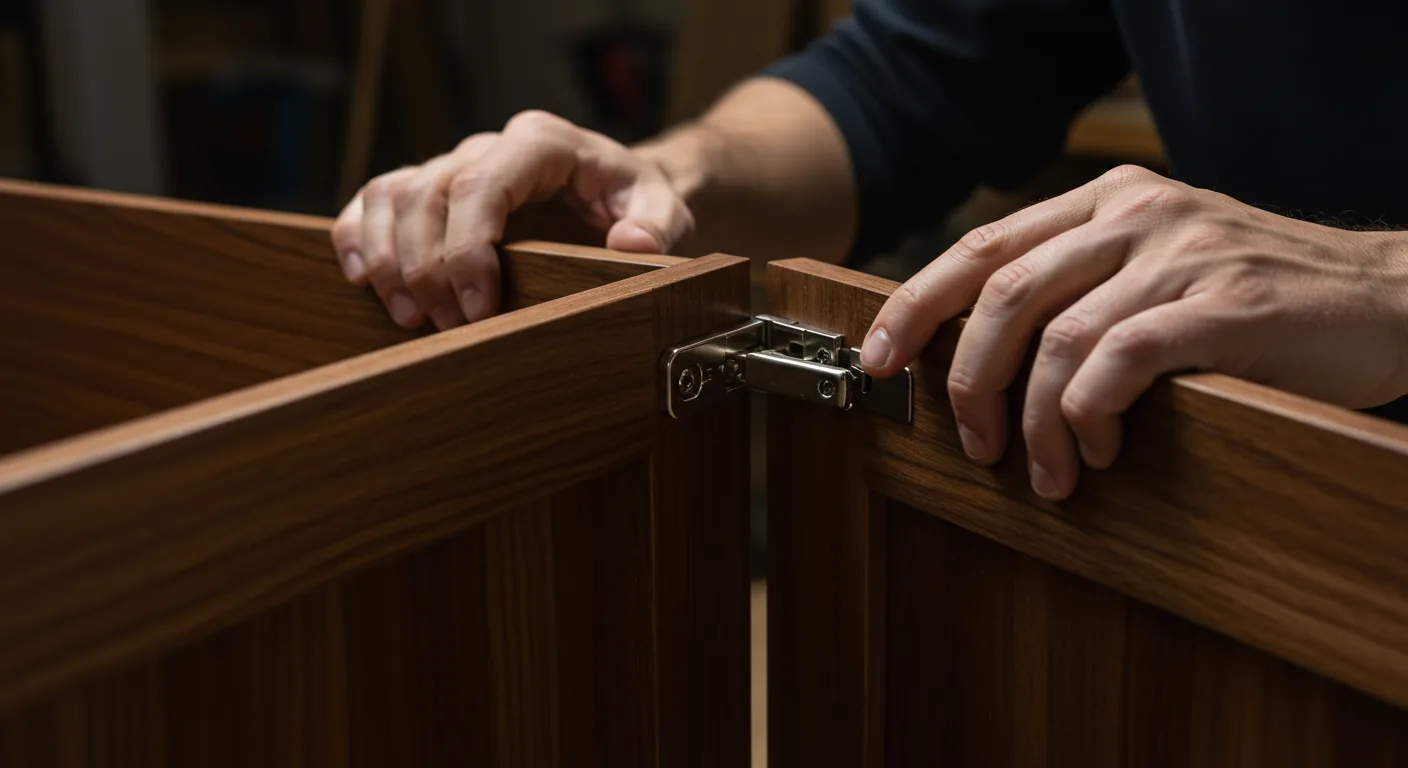
HINGED DOOR WARDROBES The most classic format and still the most widely used. Hinged wardrobes allow full, unobstructed access to the entire interior — the door swings fully clear of the opening, which matters particularly when the internal layout uses the full width with hanging rails and drawers. The practical requirement is clearance for the door arc — typically 55–65cm in front of the wardrobe. In rooms where this is available, hinged wardrobes offer the best access of any configuration.
SLIDING DOOR WARDROBES Sliding wardrobes have become the standard choice in contemporary Lebanese interiors, and for good reason. They require no door-clearance space, create a cleaner visual profile, and in rooms where every centimetre of floor space matters — a master bedroom in a Beirut apartment, for example — they simply work better. The visual presence of a floor-to-ceiling sliding wardrobe in a bedroom is also architecturally strong in a way that hinged doors rarely achieve.
WALK-IN WARDROBES For clients with the space to pursue it, a walk-in wardrobe changes how a bedroom functions entirely. Rather than opening a door to retrieve something in the dark, you enter a fully lit, organized room where everything has a clear position. A genuinely functional walk-in wardrobe typically needs a minimum of 4–5 square metres; 7–9 square metres allows for an island bench and a more comfortable experience. This is a reality in many Lebanese villas and larger apartments.
Internal Layout: The Part Most People Underestimate
One common mistake homeowners make is spending all their design energy on the exterior of a wardrobe — the door finish, the profile, the handle — and relatively little on how the interior is actually organized. The exterior is what you see when the doors are closed. The interior is what you interact with every single day.
The internal elements that make the most practical difference:
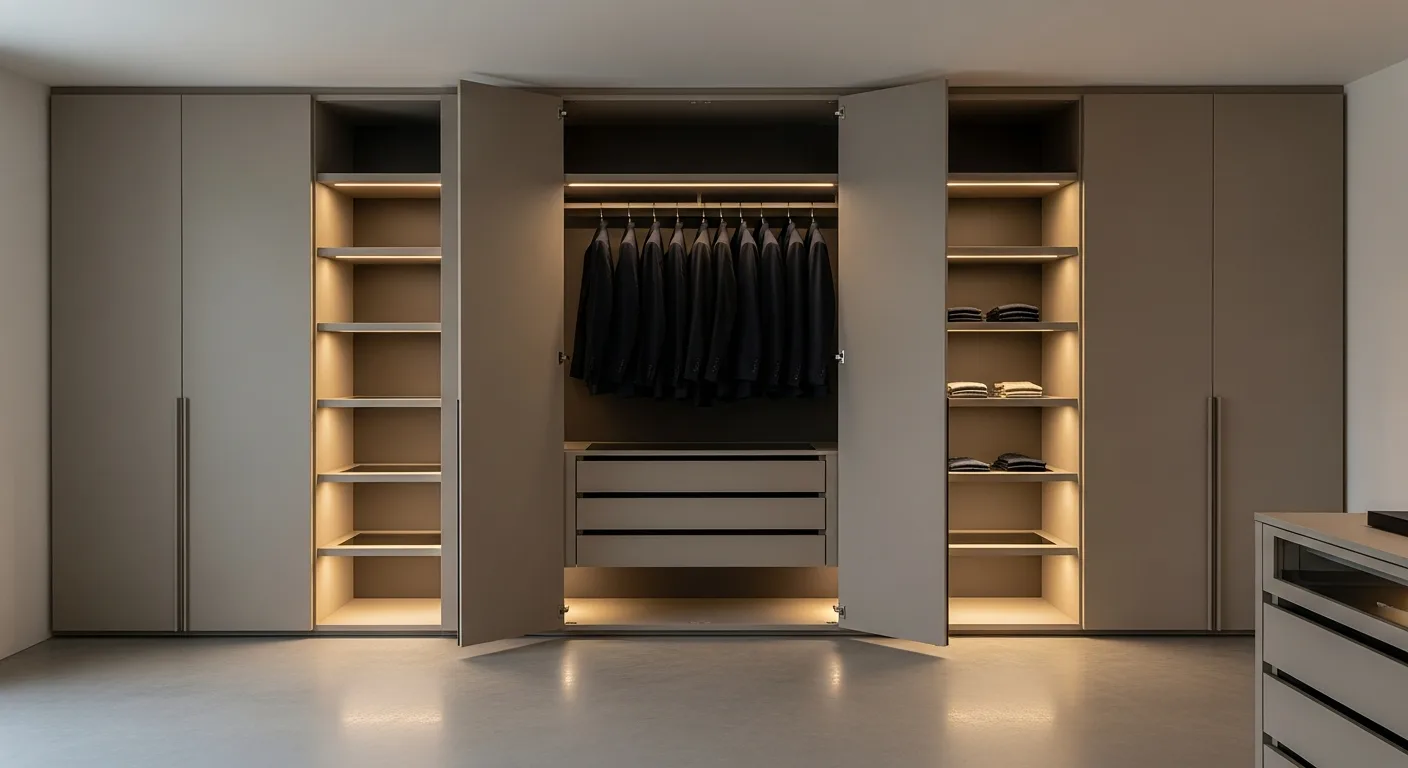
• Long hanging rail — for dresses, suits, coats, and anything that should not be folded. The standard rail height is 185–190cm clearance below it; many wardrobes are specified too short for longer garments • Double hanging sections — two rails at roughly 100cm and 50cm, used for shirts, jackets, and trousers folded over a hanger. Doubles the hanging capacity within the same zone • Integrated drawers — drawers built into the wardrobe at mid-height, rather than a separate chest of drawers in the room, are one of the highest-value upgrades possible for bedroom organization • Shoe storage — angled shelves, tiered cubbies, or pull-out racks allow shoes to be stored accessibly without stacking, which damages footwear and makes retrieval frustrating • Internal LED lighting — strip lighting on shelves and rails that activates when the door opens is a practical luxury that genuinely changes how the wardrobe functions in low-light conditions
A good wardrobe designer will begin by asking how you actually use your storage — not presenting a generic internal layout template.
What Works Visually in Lebanese Bedrooms Right Now
The wardrobe aesthetic that dominates Lebanese premium interiors today is the floor-to-ceiling built-in: a composition that runs the full width of a wall from floor to ceiling, with sliding or hinged doors in a matte lacquer or wood-effect finish, integrated handles or groove profiles, and sometimes a framed glass or tinted mirror panel at the upper section.
Floor-to-ceiling wardrobes are particularly effective in Lebanese apartments because they also solve a real problem: the dust accumulation on top of freestanding or partial-height wardrobes, which in Lebanese urban environments is a persistent maintenance issue.
In terms of finishes, matte lacquer in warm neutral tones — linen, warm grey, off-white — is the most consistently requested. Wood veneer or high-quality wood-effect HPL panels as door accents add warmth without feeling heavy. Mirror panel inserts remain popular in master bedrooms, both for practical use and because they visually extend the room.
For the full KLOZET wardrobe range, visit the wardrobes & closets in Lebanon hub.
KLOZET by KITWOOD: Custom Wardrobes Manufactured in Lebanon
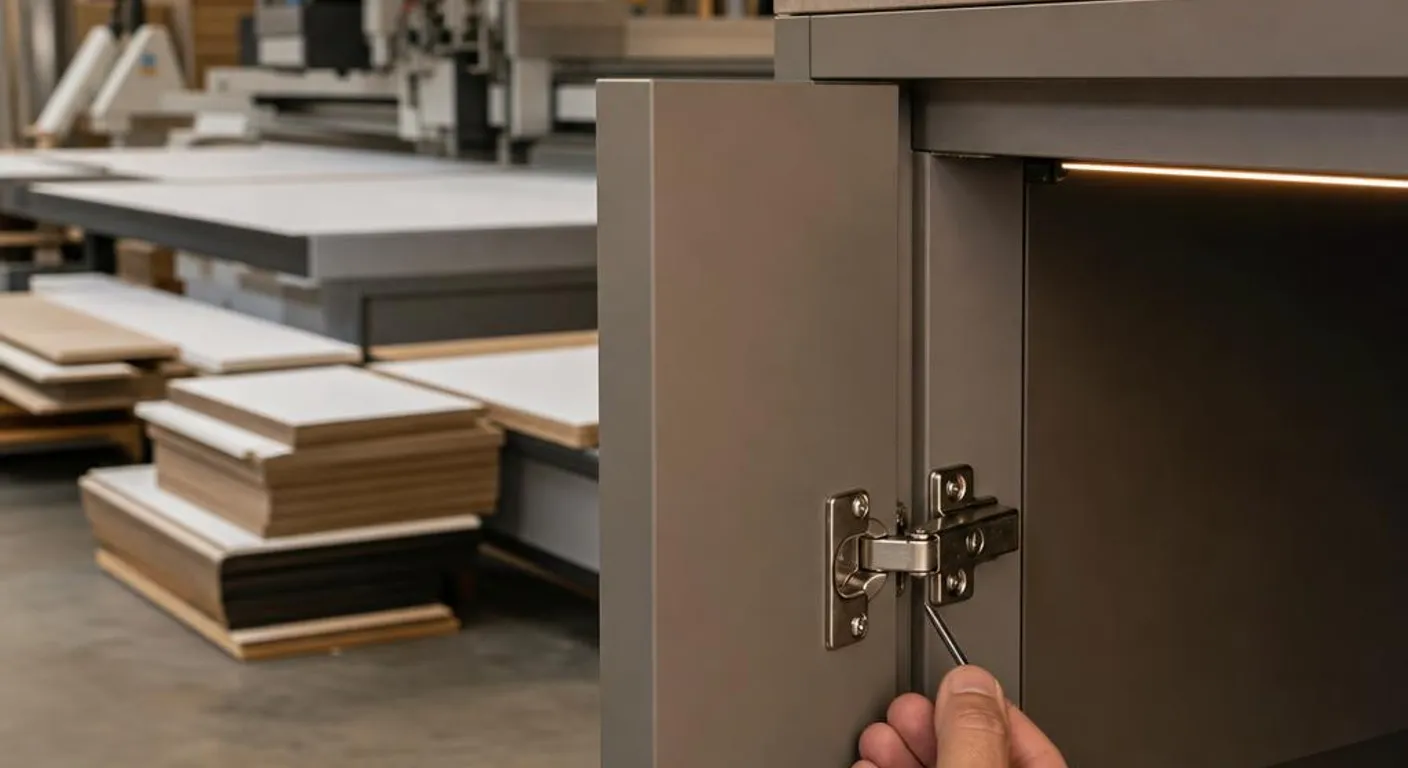
The KLOZET system is KITWOOD's premium wardrobe range — designed, manufactured in the Zouk Mosbeh factory, and installed by the same team. This integrated approach means the design is executed exactly as drawn, without the dimensional compromises that can occur when design and production are handled by different parties.
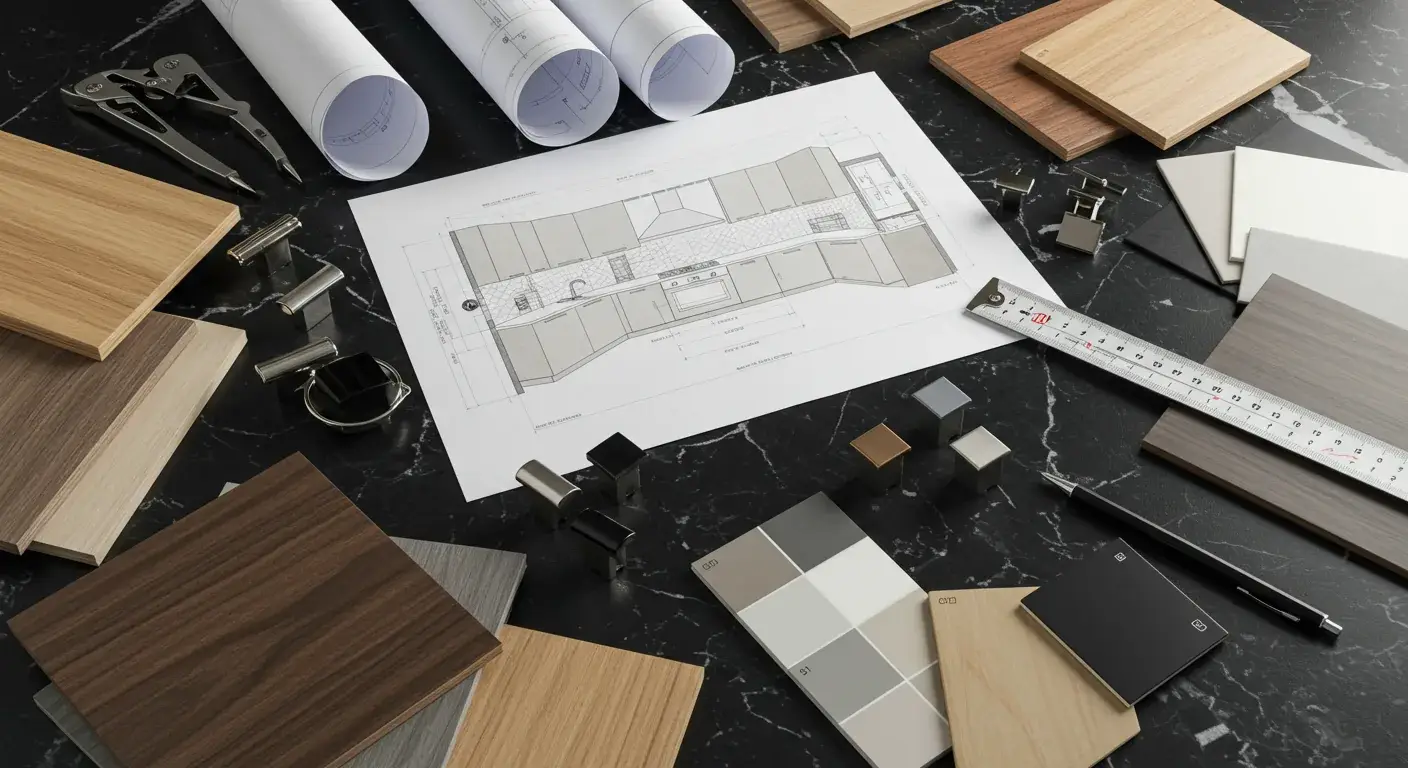
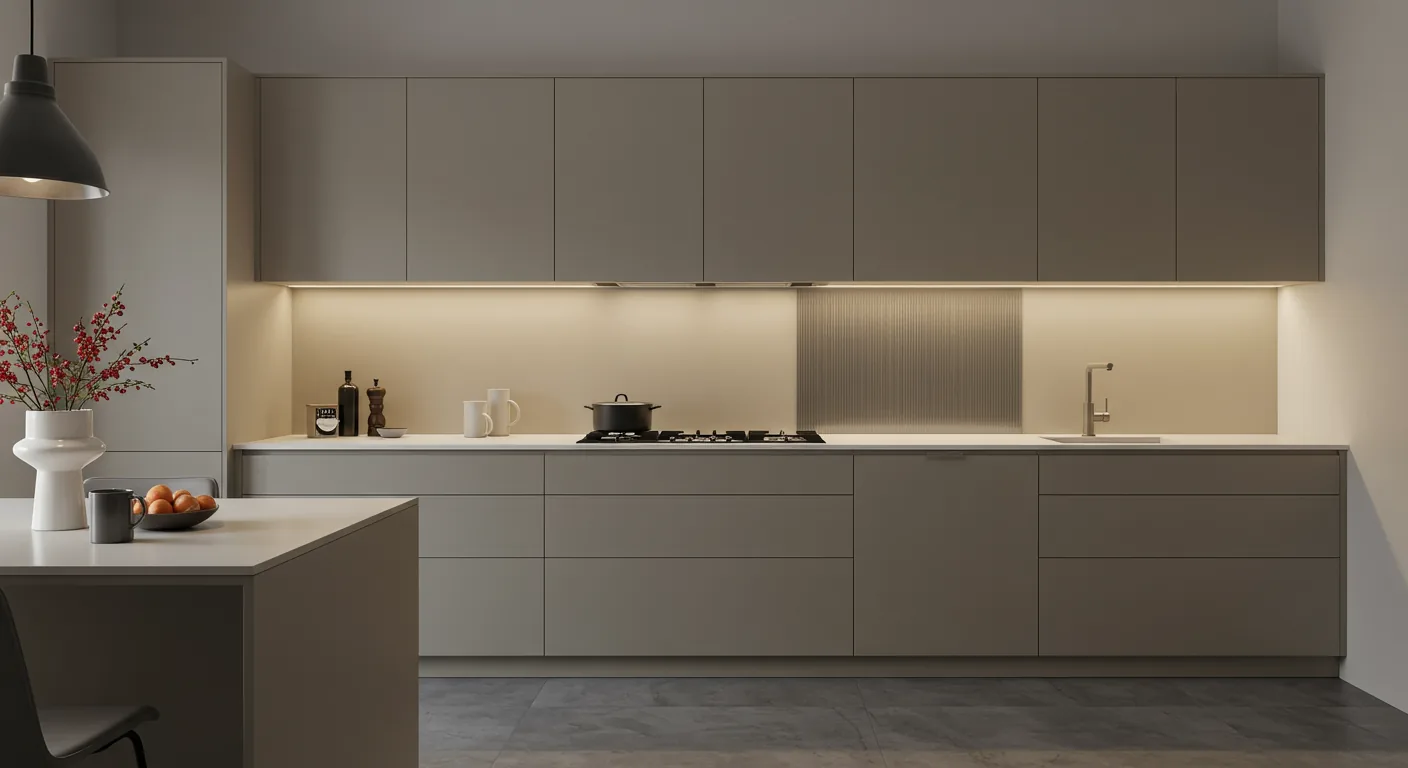
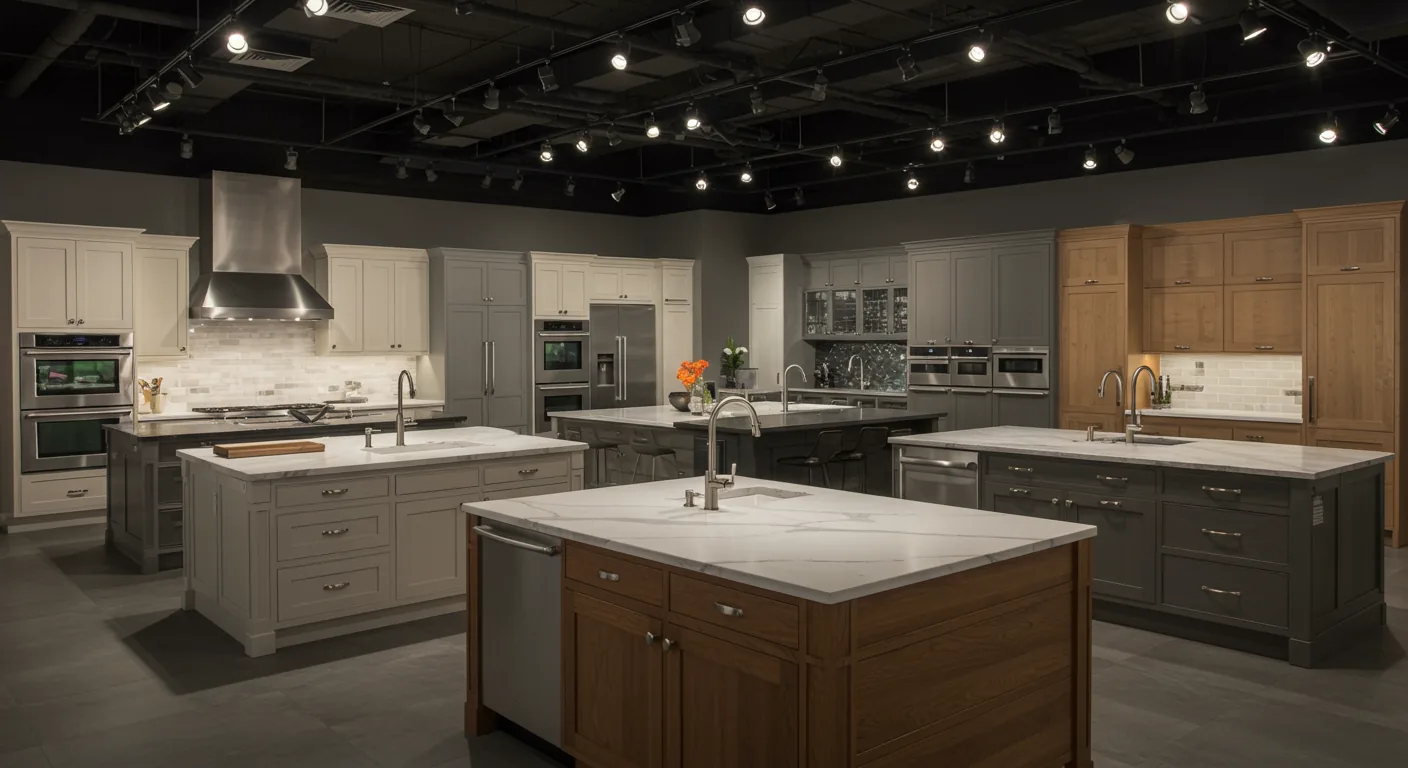
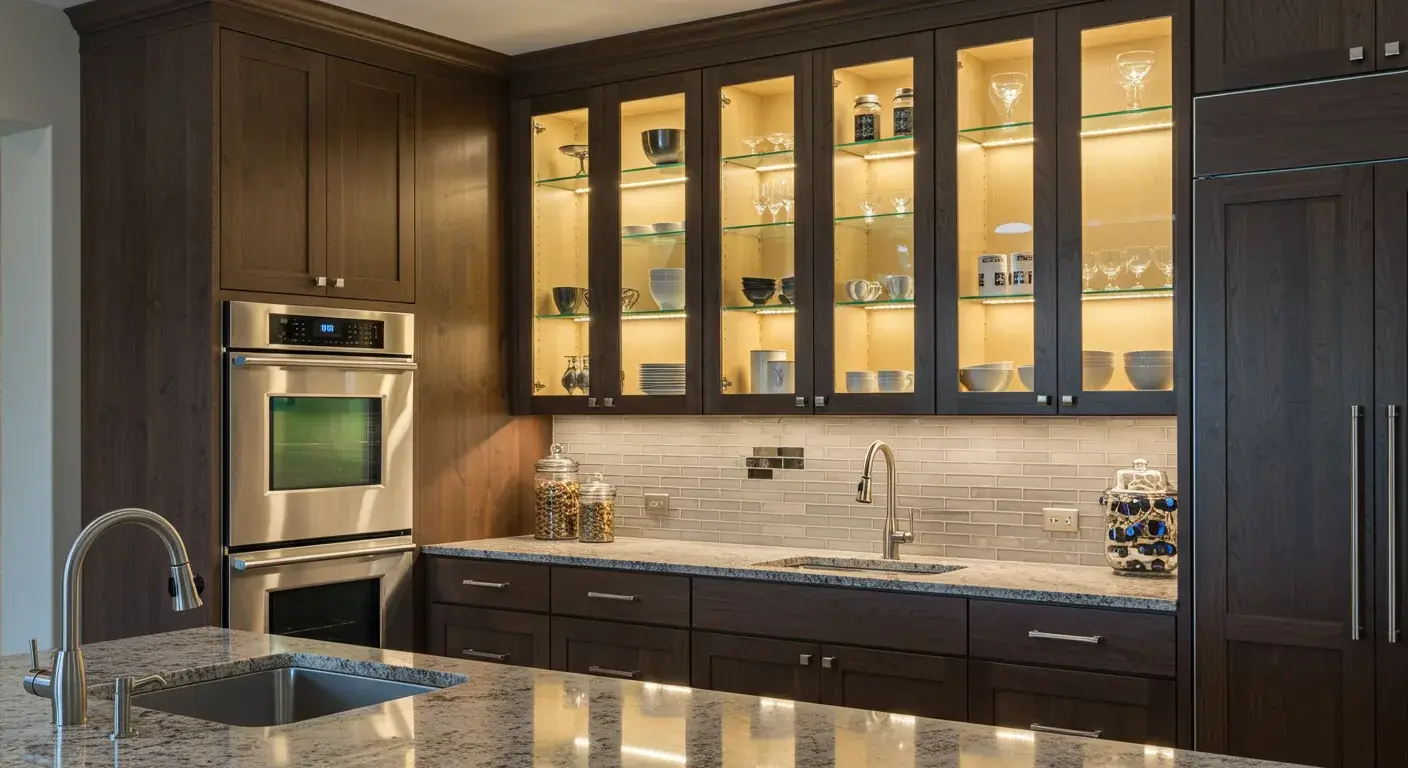
Clients who combine a kitchen and wardrobe project with KITWOOD often find that having one team coordinate both brings coherence to material choices across the home — finishes that connect the kitchen and bedroom without being identical, creating a more considered interior as a whole.
For a deeper perspective on the decision between custom and ready-made wardrobes, read the custom wardrobes vs ready-made wardrobes guide. To begin a wardrobe project, get in touch with our team.
Frequently Asked Questions: Custom Wardrobes in Lebanon
**How much does a custom wardrobe cost in Lebanon?** A custom wardrobe from a quality manufacturer typically ranges from $2,500 for a simple hinged configuration to $8,000–$12,000+ for a full walk-in wardrobe system with high-end finishes and full interior accessories. The exact cost depends on dimensions, door type, finish, and internal specification.
**How long does a custom wardrobe take from order to installation?** KLOZET wardrobes typically take four to eight weeks from confirmed design to completed installation, depending on specification complexity and project volume.
**Are sliding wardrobes better than hinged?** For most Lebanese bedrooms — particularly in apartments — yes. Sliding wardrobes save the floor clearance that hinged doors require, which in a room where every square metre matters is a practical advantage. The visual profile of sliding wardrobes in contemporary interiors also tends to be cleaner.
**Can a walk-in wardrobe be added to an existing bedroom?** Yes, in many cases — by using an adjacent room, a large alcove, or a structural partition. KITWOOD's design team assesses the feasibility and optimizes the layout for the available footprint.
If you are also considering a kitchen project, KITWOOD designs and manufactures both under one roof — explore kitchens in Lebanon alongside the full wardrobes & closets range.
Ready to start your project?
Book a Free Consultation with KITWOOD Lebanon
Visit our showrooms in Sin el Fil (Saloumeh Roundabout) or Zouk Mosbeh (Jounieh Highway), or request a showroom consultation anywhere in Lebanon.