Kitchen Renovation in Lebanon: What to Know
A kitchen renovation in Lebanon is more than aesthetics — it's about layout, storage, durability and daily comfort. This guide covers planning and pitfalls.
Before You Renovate
A successful kitchen renovation in Lebanon requires honest assessment of what exists, a realistic budget (including hidden costs), and a clear decision on whether partial upgrades or full replacement is the right path.
- Full replacement is usually better when cabinetry is structurally weak or the layout is inefficient
- Budget for hidden costs: plumbing, electrical, demolition, flooring touch-ups can add 10–25%
- The highest-value upgrades are drawer systems, storage planning, and countertop materials
- Timeline: design to installation typically takes 6–10 weeks for a custom renovation
Treat a kitchen renovation as a design and lifestyle investment, not a cosmetic update. Renovations that address function, materials, and layout deliver far more long-term value than those focused solely on surface appearance.
When a Kitchen Renovation Actually Makes Sense
Most people decide to renovate a kitchen for one of a few real reasons: the existing kitchen has deteriorated structurally, the storage no longer functions for the household, the layout is genuinely inefficient, or the space simply feels out of step with the rest of the home.
In many Lebanese homes, particularly those built in the 1980s and 1990s, the kitchen was treated as a purely utilitarian space — serviceable but never designed around how the family actually cooks and lives. Lebanese families tend to cook seriously, entertain frequently, and gather in the kitchen. A space designed without that in mind becomes a daily friction point long before it deteriorates physically.
This matters because the motivation behind a renovation should drive the scope. A renovation undertaken purely because the colour feels dated will produce a different — and usually less satisfying — result than one that asks honestly: what is not working, and how do we fix it? The honest answer is what should shape the brief, the budget, and the choice of supplier.
Renovate Around the Existing Kitchen, or Replace It?
This is the first decision and often the most consequential. The answer depends on the structural condition of what exists and the extent of the changes you want to make.
If the existing cabinetry is in good structural condition — carcasses are solid, no swelling or warping, hinges and runners still functioning — a targeted upgrade may be viable: new fronts, new countertop, new hardware, improved storage accessories. This can transform the appearance and function of a kitchen at a fraction of full replacement cost.
If the carcasses are weak (cheap raw particleboard swelling at bases, MDF edges deteriorating, screws losing hold), there is no point putting new fronts on a failing structure. In practice, we often see homeowners who attempted partial renovation discover after the fronts come off that the substrate condition requires full replacement anyway — having spent budget on the partial approach before reaching that conclusion.
The rule of thumb we use: if the kitchen is over ten years old and was originally built at a budget carpentry level, full replacement is almost always the better long-term investment. If it is under ten years old and was built to a high spec, a partial refresh is often excellent value. The honest assessment of which category you are in should happen before any budget is committed. For a deeper read on how kitchen materials age in Lebanon's climate, see our kitchen materials guide.
What a Full Kitchen Renovation in Lebanon Actually Involves
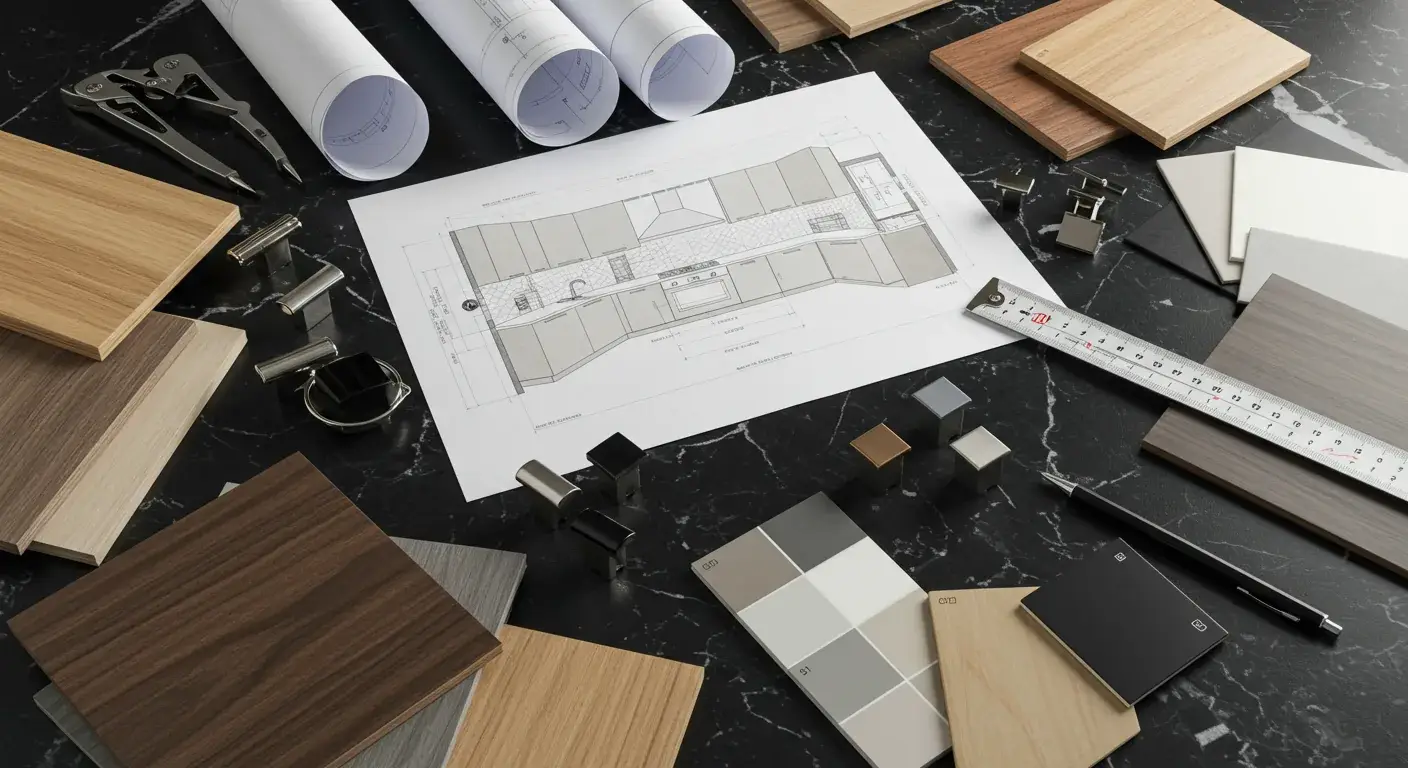
A complete kitchen renovation typically follows this sequence: detailed measurement and design phase (two to four weeks for a complex project), production of custom cabinetry (four to six weeks in a factory environment), site preparation including demolition and removal of old units (one to two days), any required plumbing or electrical modifications scheduled in parallel, cabinet installation, countertop templating and installation (often 7–14 days after cabinet install for stone), and final snagging and adjustment.
From first consultation to completed installation, a realistic timeline for a full custom kitchen renovation in Lebanon is eight to twelve weeks. Projects that are rushed through the design phase to save time often create problems in installation — dimensions that do not account for real site conditions, storage layouts that were not thought through carefully, or material choices made without seeing them at scale.
The key inflection point is the design freeze. Once the drawings are approved and production starts, every subsequent change costs time and money. The disciplined approach is to spend longer on design and have fewer changes during build. Suppliers who promise a 4-week turnaround on a fully custom kitchen are almost always either using stock components, skipping the proper site measurement step, or planning to deliver what fits rather than what was specified.
For a clearer picture of what drives renovation costs, read the 2026 kitchen cost guide and the best kitchen materials in Lebanon article.
The Hidden Costs That Surprise Homeowners
One common mistake is budgeting only for the kitchen itself and then discovering that the broader renovation scope is much wider than expected. Removing and disposing of the existing kitchen costs money. Patching walls and ceilings after cabinet removal costs money. Changing the position of a sink involves a plumber. Relocating appliances may involve an electrician. If the floor or wall tiling does not extend to where the new cabinets sit, it may need to be extended or the tiles replaced entirely.
In most Lebanese renovation projects, these additional site costs add 15 to 25 percent to the headline kitchen budget. A kitchen quoted at $15,000 typically becomes a $17,500–$18,500 project once site works are included. Planning for this honestly from the start — rather than treating the kitchen price as the total project cost — is what separates renovations that go smoothly from ones that generate stress halfway through.
A short list of items to budget for explicitly: demolition and waste removal, electrical (new circuits, sockets, lighting), plumbing modifications, wall and ceiling repairs after cabinet removal, tile or flooring extension, painting after install, and appliance delivery and connection. None of these are optional in a real renovation. All of them have a price.
Where to Focus Renovation Investment for Maximum Return
Not all upgrades deliver equal value. The changes that most consistently improve long-term satisfaction in a kitchen renovation:
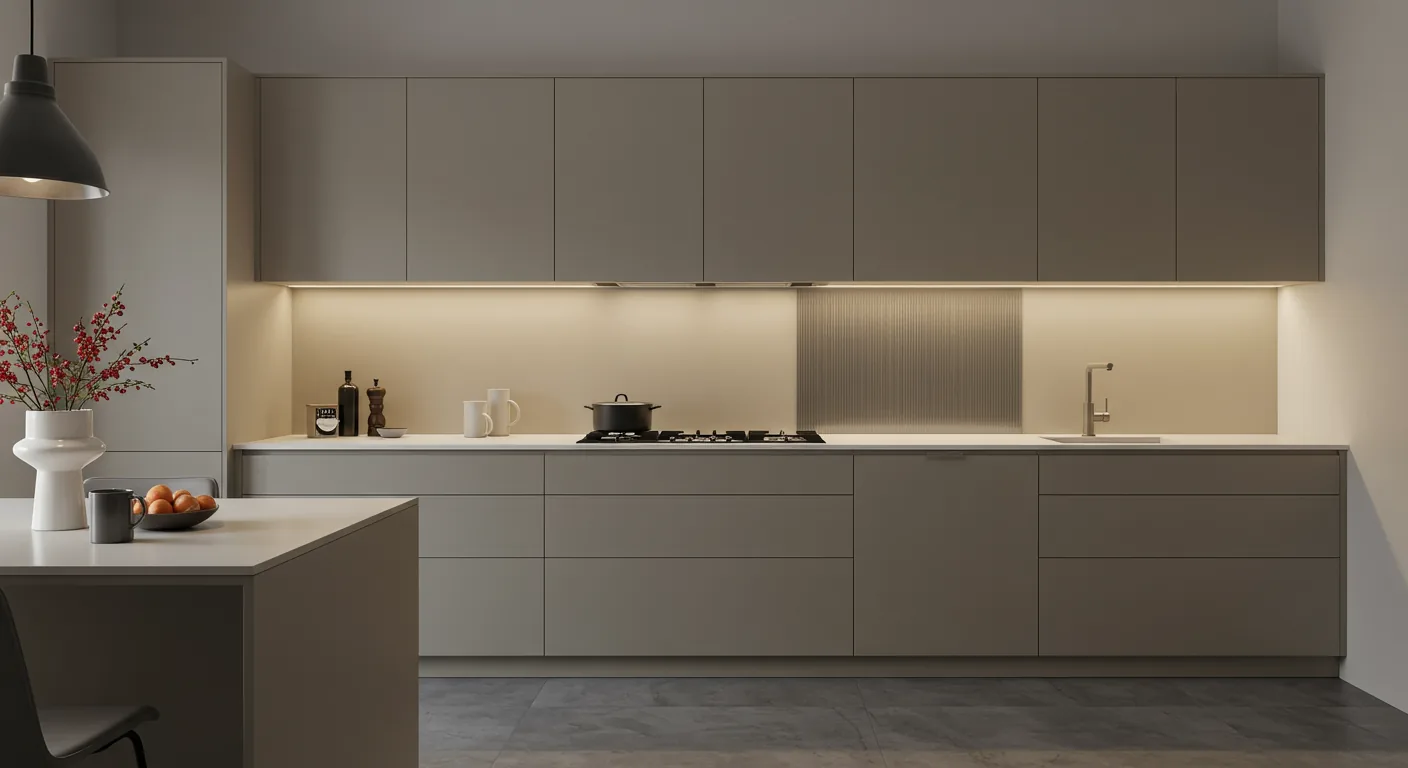
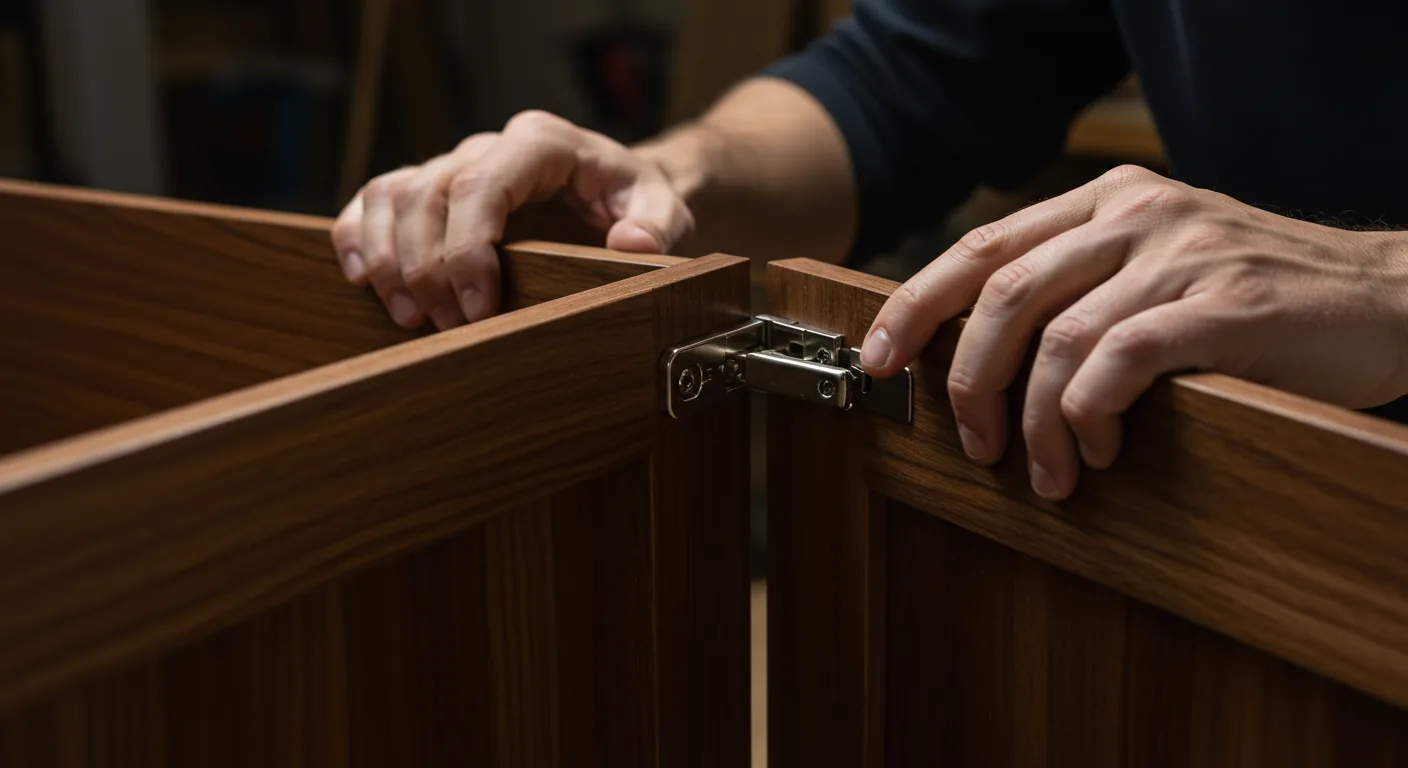
• Structural quality first: if replacing cabinetry, specify ecological, water-resistant E1 particle board or water-resistant MDF carcasses. The additional cost over cheap raw particleboard is modest; the difference in how the kitchen holds up over ten years in Lebanon's coastal humidity is significant. • Drawer systems over lower shelves: deep drawers for pots and pans, pull-out pantry columns for dry goods — these upgrades fundamentally change how accessible and organised the kitchen feels in daily use. • A durable countertop: replacing a worn or damaged worktop with quartz or large-format porcelain is one of the highest-impact single upgrades possible in a partial renovation. • European hardware: Blum or Grass hinges and runners cost more upfront than budget alternatives, but they are still functioning silently in year fifteen while cheaper hardware fails by year five. • Better lighting: under-cabinet LED strips alone, added to an existing kitchen, can transform the feel of the space for a relatively small investment. Three layers — ambient, task, and accent — separate a good kitchen from a great one.
Purely decorative changes — new door colour, new handles — improve appearance but do not improve function. In a renovation where budget is constrained, function should come first.
Sequencing the Project to Avoid the Common Mistakes
The order in which renovation decisions are made matters as much as the decisions themselves. The pattern that consistently produces good outcomes:
1. Site assessment and honest brief — what is failing, what does the household actually need, what is the realistic budget including site works. 2. Layout decisions before any aesthetic decisions — colours and finishes can change late in the design; layout cannot. 3. Storage logic before cabinetry count — work out where every category of items lives before specifying any cabinet. 4. Appliance specification early — appliances drive cabinet dimensions, not the other way around. A 60 cm oven needs different planning from a 90 cm one. 5. Material selection with samples seen at scale — a swatch the size of a credit card is misleading; a full door sample under real lighting is honest. 6. Design freeze and signed drawings before production starts. 7. Site preparation completed before cabinet delivery — walls patched, floor extended, plumbing and electrical roughed in. 8. Cabinet installation, then worktop templating, then worktop installation, then snagging.
The most common mistakes we see in Lebanese renovations: starting demolition before the new kitchen is in production (leaving the household without a kitchen for weeks longer than necessary), choosing finishes before layout is locked, and treating the kitchen company and the contractor as separate scopes that will somehow coordinate themselves on site. They will not. Someone has to own the coordination, and the kitchen company is usually best placed to do it.
KITWOOD's Approach to Kitchen Renovation
KITWOOD handles kitchen renovation as a complete scope — design, production, and installation managed by the same team, which avoids the coordination gaps that often create problems when different parties handle different phases.
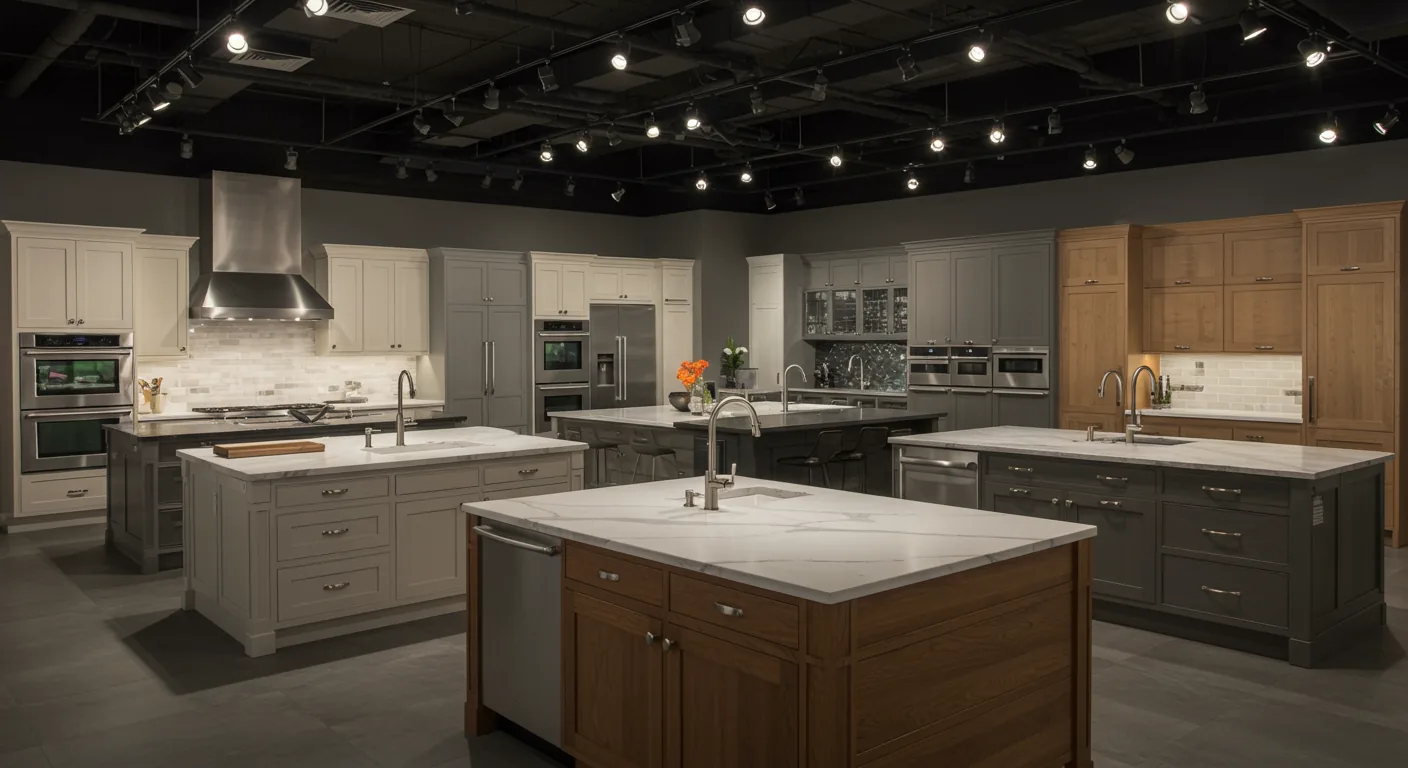
Clients who have worked with KITWOOD on renovations often note that the design consultation process — particularly the showroom visit, where existing material and finish decisions can be evaluated at full scale — makes the specification decisions considerably more confident. Seeing a water-resistant E1 board carcass and a cheap raw particleboard carcass side by side, or comparing 2K matte lacquer with HPL in real kitchen installations, clarifies choices that are difficult to make from samples alone.
We have been renovating kitchens in Lebanese homes since 1981. There are kitchens we built in the 1990s that we are still servicing today — the original carcasses still sound, the original Blum hinges still functioning. That kind of continuity is the most honest marker of how well a renovation will hold up.
For renovation enquiries, get in touch with our team, explore the kitchens Lebanon hub for the full range of solutions, or read why we are considered the best kitchen company in Lebanon.
Frequently Asked Questions: Kitchen Renovation in Lebanon
**How long does a kitchen renovation in Lebanon take from start to finish?** A realistic timeline is 8 to 12 weeks from signed design to completed installation: 2–4 weeks for design and approvals, 4–6 weeks for factory production, and 1–2 weeks for site preparation, installation, and snagging.
**Can I live in my home during a kitchen renovation?** Yes, but plan for 2–3 weeks without a working kitchen during the install phase. Many Lebanese clients with a service kitchen continue to use it; those without often set up a temporary cooking corner with a microwave, kettle, and portable hob.
**Should I renovate or replace my existing kitchen?** Renovate if the carcasses are structurally sound and you only want a visual or functional refresh. Replace if the carcasses are degraded, the layout is fundamentally inefficient, or the kitchen is over ten years old and was built at a budget level.
**What is the typical hidden cost percentage to budget for?** Add 15–25% on top of the kitchen quotation to cover demolition, plumbing, electrical, wall repairs, tiling, and painting. A $15,000 kitchen typically becomes a $17,500–$18,500 project.
**Who manages the coordination between the kitchen company and the contractor?** Whoever you appoint to own it. In KITWOOD projects, our team typically coordinates directly with the contractor or building manager from site measurement onward, which removes the most common source of delays. Get in touch to discuss your specific project.
Ready to start your project?
Book a Free Consultation with KITWOOD Lebanon
Visit our showrooms in Sin el Fil (Saloumeh Roundabout) or Zouk Mosbeh (Jounieh Highway), or request a showroom consultation anywhere in Lebanon.